How to Use Local Payment Systems and Cards in Cyprus
Moving to a new country like Cyprus, you'll quickly realize that while some things feel familiar, the everyday nuances of life – especially when it comes to managing your money – can throw you for a loop. Suddenly, simple tasks like paying for groceries or settling a bill feel like navigating a maze. This guide is here to walk you through the ins and outs of local payment systems and cards, helping you understand how things truly work on this beautiful island.
Understanding the Cypriot Payment Landscape for Newcomers
When you first arrive in Cyprus, you might find yourself doing a double-take at how different the financial scene feels compared to what you're used to. It's not necessarily "behind the times," but it certainly has its own unique rhythm and preferences that can catch newcomers off guard. The blend of traditional methods with a gradually increasing digital adoption creates a landscape that requires a bit of local insight to truly master. Don't worry, we've all been there, scratching our heads at the bank or a shop.
The Initial Culture Shock of Cypriot Banking
Many expats arriving from highly digitalized countries often experience a bit of a culture shock when they first encounter Cypriot banking. While online banking exists and is improving, the emphasis on paper, in-person visits, and sometimes lengthy processing times can feel like a step back in time. You might find yourself needing to physically visit a branch for tasks you'd typically handle online elsewhere, from opening an account to verifying transactions. It's a system built on personal interaction and a more measured pace, which can be frustrating when you're used to instant gratification. Patience, my friend, is your most valuable asset here.
Major Banks and Their Offerings for Expats
Cyprus has a few dominant players in the banking sector that most residents, including expats, interact with. The two giants are Bank of Cyprus and Hellenic Bank. You'll see their branches everywhere, from the bustling city centers of Limassol and Nicosia to smaller towns. There's also Eurobank Cyprus, and a few smaller cooperative banks. Each has its pros and cons, but generally, they all offer services tailored to personal and business banking, including current accounts, savings, loans, and credit/debit cards. They are increasingly offering services in English, which is a huge relief, but don't be surprised if some forms or older staff still lean heavily on Greek. When you're looking to open an account, it's worth exploring How to Choose the Best Bank for Expats in Cyprus to find one that aligns with your specific needs.
Getting Your First Cypriot Bank Account: A Crucial Step
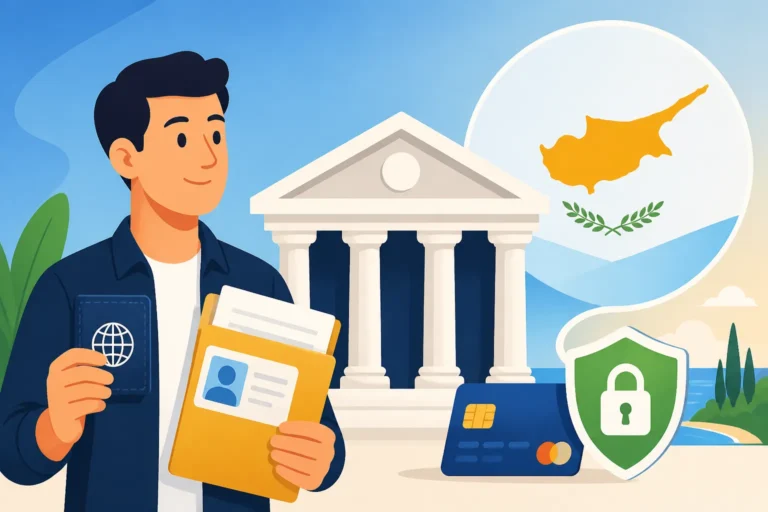
Opening a bank account here is perhaps one of the most fundamental steps to settling in, and it's where many expats hit their first bureaucratic hurdle. You'll need an array of documents, including your passport, proof of address (like a rental agreement or utility bill), and often proof of income or a letter from your employer. Sometimes, they'll even ask for a reference letter from your previous bank – yes, seriously, in this digital age! It’s not always straightforward, but having a local account makes everything from paying bills to receiving your salary infinitely easier. This is especially true when it comes to managing your finances and ensuring smooth transactions for things like utilities and rent. For a detailed walkthrough, you can check out The Expat Guide to Opening a Bank Account in Cyprus.
Navigating Everyday Card Payments in Cyprus
Once you've got your Cypriot bank account and a shiny new local card, you'll start getting into the swing of everyday transactions. While cash definitely still holds its own, card payments are becoming more and more prevalent, especially in urban areas and larger establishments.
Credit and Debit Card Acceptance: What to Expect
In Cyprus, Visa and Mastercard are king. You'll find these widely accepted in almost all supermarkets, larger retail stores, restaurants, and many cafes. Debit cards linked to your local bank account are the most common form of payment. Credit cards are also prevalent, though Cypriot banks might have stricter criteria for issuance to new expats without a credit history here. Don't expect American Express to be universally accepted; while some tourist-focused businesses or larger chains might take it, it's definitely not the norm. Always carry a Visa or Mastercard as your primary card. Even if a place has a card machine, sometimes smaller businesses, especially in more rural areas or traditional tavernas, might prefer cash for smaller transactions to avoid processing fees.
The Rise of Contactless Payments and Mobile Wallets
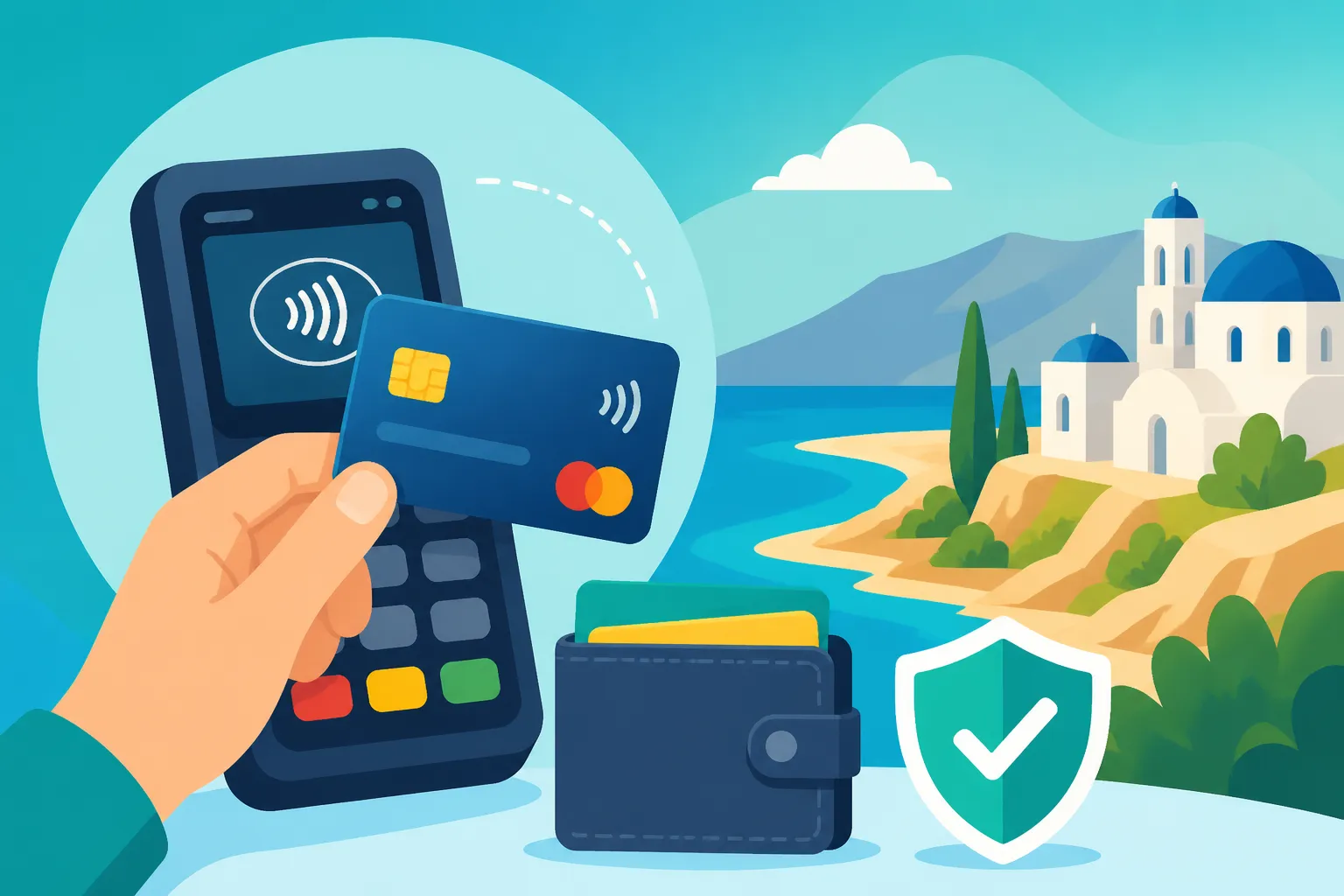
Good news for tech-savvy expats: contactless payments are very much a thing in Cyprus and their adoption has really accelerated in recent years. Most modern POS (Point of Sale) terminals accept contactless payments for both debit and credit cards. This means you can just tap your card for transactions, often up to €50, without needing a PIN. Beyond that, a PIN is usually required. Mobile wallets like Apple Pay and Google Pay are also gaining traction, particularly with the younger generation and in the main cities. Many local banks now support these, allowing you to link your Cypriot debit or credit card to your phone or smartwatch for quick, convenient payments. This shift has made it much easier for those who prefer not to carry a bulky wallet, bringing a touch of modern convenience to your daily routine.
ATMs: Your Go-To for Cash (and Potential Fees)
Despite the growth of card payments, cash remains a vital part of the Cypriot economy, and you'll often find yourself needing it for smaller shops, market stalls, or places where card machines are "out of order" (a common phrase here!). ATMs are plentiful, especially in urban centers and tourist areas, with Bank of Cyprus and Hellenic Bank having the largest networks. You can usually withdraw cash from any ATM, regardless of your bank, but be aware of potential fees. If you use an ATM from a different bank than your own, you might incur a small charge, usually a couple of euros. If you're using a foreign card, expect even higher fees and potentially unfavorable exchange rates from your home bank. It's wise to plan your cash withdrawals to minimize these costs. Remember, understanding how these fees interact with your overall cost of living is important, as covered in Understanding the Cost of Living in Cyprus for Expats.
| Bank / Card Type | Contactless Acceptance | Mobile Wallet Support | ATM Fees (Local Bank Card) | ATM Fees (Foreign Card) | Common Issues |
|---|---|---|---|---|---|
| Bank of Cyprus | High | Yes (Apple/Google Pay) | Free (BoC ATMs), €1-€2 (Other Banks) | Variable (Bank/network fees) | Occasional queue for in-branch services |
| Hellenic Bank | High | Yes (Apple/Google Pay) | Free (HB ATMs), €1-€2 (Other Banks) | Variable (Bank/network fees) | Older interface for online banking |
| Eurobank Cyprus | High | Yes (Apple/Google Pay) | Free (Eurobank ATMs), €1-€2 (Other Banks) | Variable (Bank/network fees) | Fewer physical branches |
| Visa/Mastercard (Local) | High | Yes | As per bank policy | N/A | None |
| Visa/Mastercard (Foreign) | Moderate | Sometimes | High | High | Geo-blocking, high fees |
| American Express | Low | No | N/A | High | Limited acceptance |
Exploring Digital and Mobile Payment Options
Beyond the traditional plastic cards, Cyprus is slowly but surely embracing the digital age for payments. This brings convenience, especially for those who prefer to manage their finances on the go and reduce reliance on physical cash or cards.
Mainstream Mobile Payment Apps: Apple Pay, Google Pay
For many expats, their phones are an extension of their wallets. Thankfully, Apple Pay and Google Pay are widely supported by the major Cypriot banks like Bank of Cyprus and Hellenic Bank. Once you've linked your local debit or credit card, you can use your smartphone or smartwatch to make quick, secure payments anywhere contactless payment terminals are available. This is a game-changer for speed and convenience, especially when you're in a rush at the supermarket or just want to grab a coffee without fumbling for your wallet. It's particularly handy if you find yourself juggling multiple things, perhaps even looking up directions on how to get to your next appointment.
Less Common Digital Wallets and Local Innovations
While Apple Pay and Google Pay lead the pack, other digital payment services like Revolut and Wise (formerly TransferWise, now a prominent name that makes cross-border payments a breeze) are also popular among the expat community for their multi-currency accounts and low-fee transfers. Although Revolut and Wise cards are widely accepted for payment in Cyprus, they operate more as alternatives to traditional banks rather than purely local mobile payment apps. Their strength lies in international transactions and currency exchange, making them incredibly useful for expats who still have financial ties to their home country or travel frequently. For specific local innovations, the market is still developing, but the general trend is towards integrating mobile payments directly through banking apps or third-party platforms that support the major card networks.
Online Shopping and E-commerce in Cyprus
Online shopping in Cyprus is quite robust, with most local retailers, from fashion boutiques to electronics stores, offering secure online payment gateways. You'll typically use your debit or credit card, and modern platforms usually incorporate 3D Secure verification (like Verified by Visa or Mastercard SecureCode) for added security. International e-commerce sites, of course, are also easily accessible and accept a wide range of payment methods. While local delivery can sometimes be slower than what you might be accustomed to, the payment process itself is usually smooth. Setting up online banking with your Cypriot account is a must for managing these transactions efficiently. For those needing to track their finances, especially when dealing with online purchases and potential international tax implications, services like Taxes for Expats can provide valuable guidance, ensuring you're compliant with local regulations.
Traditional Payment Methods Still Alive and Kicking
Even in an increasingly digital world, traditional payment methods maintain a strong presence in Cyprus. Don't underestimate the power of cash, and be prepared for bank transfers and even cheques to pop up in your financial life here.
The Enduring Reign of Cash in Daily Life
Cash is undeniably still king in many aspects of Cypriot life. While cards are accepted in most modern establishments, for small purchases at kiosks, local bakeries (your favourite spanakopita!), vegetable stalls at farmers' markets, or even for tipping at restaurants, cash is often preferred or sometimes the only option. Tradespeople, like plumbers or electricians, might also prefer cash payments. Many small businesses operate on a cash basis, and it’s always a good idea to have some euros in your pocket, especially if you venture outside the main cities or into more traditional villages. This reliance on physical currency is a stark reminder that while the world moves fast, some traditions are deeply ingrained. It also means you need to be mindful of how much cash you carry.
Bank Transfers and Standing Orders: For Bills and Rent
For recurring payments like rent, utility bills, and even school fees, bank transfers and standing orders are the standard. Once you've opened your local bank account, you can easily set these up through your online banking portal or by visiting a branch. Many landlords and service providers (like EAC for electricity or Cyta for internet) will provide you with their IBAN for direct transfers. Setting up standing orders ensures your bills are paid on time without you having to remember each month. This is particularly useful for managing your outgoings, helping you budget effectively when considering how much it costs to rent an apartment in Limassol in 2026, for example. Learning to navigate your online banking portal for these transfers is an essential skill for any expat in Cyprus. Check out How to Set Up Online Banking with a Cypriot Bank for more details on getting this done.
Cheques: A Blast from the Past (But Still Used)
Believe it or not, cheques are still used in Cyprus, predominantly by businesses and for larger, less frequent transactions, though occasionally you might encounter them in personal situations. For instance, a landlord might ask for post-dated cheques for rent, or a business might pay suppliers this way. As an individual expat, you might not use them frequently, but it’s good to be aware that they exist and are legally valid. If you do receive one, you'll need to deposit it into your bank account, which typically involves an in-person visit to a branch. This often means more paperwork and waiting times, so prepare yourself for a slightly slower process. This traditional method can feel a bit archaic, but it's part of the financial fabric here.
Dealing with International Payments and Transfers
Living as an expat means you'll almost certainly have financial connections beyond Cyprus. Whether you're sending money back home, receiving funds from abroad, or dealing with different currencies, understanding the best ways to manage international payments is crucial to avoid excessive fees and frustrating delays.
Sending Money Home and Receiving Funds from Abroad
Managing international transfers can be a significant part of an expat's financial life. If you're sending money to family or friends in your home country, or if you're receiving your salary or pension from an international source, traditional bank wire transfers can often be slow and surprisingly expensive due to hidden fees and unfavorable exchange rates. It's a common complaint among expats worldwide, and Cyprus is no exception. Banks here can take several business days to process international transfers, and the fees, while seemingly small, can add up over time. This is where modern fintech solutions really shine.
Currency Exchange and Managing Different Currencies
Cyprus uses the Euro (€), so if your primary income or expenses are in a different currency, you'll constantly be dealing with currency exchange. When you use a foreign card for transactions in Cyprus, your bank at home will convert the Euro amount, often applying its own exchange rate and transaction fees. The same applies when you withdraw Euros from an ATM with a non-Euro card. To minimize losses, it's wise to use a local Cypriot bank account for your day-to-day Euro transactions. For larger transfers or when you need to convert significant amounts between currencies, looking beyond traditional banks is almost always a better option.
The Role of International Money Transfer Services
This is where services like Wise (formerly TransferWise) truly come into their own for expats in Cyprus. Wise, and similar platforms such as Revolut, specialize in providing transparent, low-cost international money transfers with real exchange rates. They allow you to hold multiple currencies in a single account, receive money in different currencies, and send funds globally often much faster and cheaper than traditional banks. For many expats, these services have become indispensable for managing their international finances. For example, if your salary is paid in GBP or USD into a Wise account, you can convert it to EUR at a competitive rate and then transfer it to your Cypriot bank account or spend directly from your Wise card in Cyprus, effectively saving you money on exchange rates and fees. This dramatically simplifies the process of How to Transfer Money Into and Out of Cyprus as an Expat.
Troubleshooting Common Payment Issues for Expats
Even with all the preparation, you're bound to encounter a few hiccups with payments in Cyprus. It's part of the expat experience! Knowing what to expect and how to troubleshoot these common issues can save you a lot of stress and time.
Foreign Card Rejections and Why They Happen
It’s happened to almost every expat: you confidently swipe or tap your foreign debit or credit card, only for the machine to beep indignantly, displaying "transaction denied" or "card not accepted." This can be incredibly frustrating. Sometimes, it's a simple issue like your home bank's fraud detection system flagging an international transaction as suspicious – a quick call to them usually sorts it out. Other times, smaller shops or older POS terminals might simply not be configured to accept certain international cards or networks. Some specific card types, especially those not commonly used in Europe, might also face acceptance issues. Always have a backup plan: a local Cypriot card, another international card (Visa/Mastercard is best), or enough cash.
Understanding Bank Fees and Hidden Charges
Bank fees can feel like a labyrinth, especially when dealing with international transactions. Beyond obvious ATM withdrawal fees for foreign cards, be aware of:
- Foreign Transaction Fees: Your home bank might charge a percentage (often 1-3%) on every purchase made in a foreign currency.
- Exchange Rate Markups: Banks often apply their own, less favorable exchange rates compared to the interbank rate. This is where services like Wise offer a significant advantage by using the mid-market rate.
- Annual or Monthly Account Fees: While many basic Cypriot accounts are low-fee, check the terms and conditions carefully, particularly if you're not a high-volume transactor.
- International Transfer Fees: As mentioned, sending or receiving money internationally via traditional banks can incur both sender and receiver fees, as well as unfavorable exchange rates.
Always read the fine print from both your home bank and your Cypriot bank to fully understand what you're being charged. These can seriously impact your overall financial planning, especially when you're diligently working to How to File Your Annual Income Tax Return in Cyprus and track all your expenses.
Security Concerns and Protecting Your Finances
Like anywhere in the world, financial security is paramount. While Cyprus generally has a low crime rate, it's always wise to be vigilant.
- ATM Skimming: Always check the card slot and keypad of ATMs for any unusual attachments before inserting your card.
- Online Fraud: Be wary of phishing emails or suspicious websites asking for your banking details. Reputable banks will never ask for your full password or PIN via email or unsolicited calls.
- Card Cloning: Protect your PIN when using POS terminals and ATMs. Never let your card out of your sight in restaurants or shops.
- Lost or Stolen Cards: Have your bank's emergency contact numbers readily available, both for your Cypriot and foreign cards, so you can report and cancel them immediately if needed. Many banks now offer in-app card freezing, which is a lifesaver.
Staying informed and taking proactive steps can help you protect your hard-earned money and ensure your financial journey in Cyprus is as smooth as possible.
Disclaimer
The information provided in this guide is for general informational purposes only and does not constitute financial, legal, or tax advice. While we strive to keep the information up-to-date and accurate, regulations and banking practices in Cyprus can change. Always consult with a qualified financial advisor, tax professional, or your bank for advice tailored to your specific situation.