How Much Cash Can I Bring Into Cyprus?
Ah, the age-old question that keeps many of us expats up at night when we first consider moving to this beautiful island: "How much cash can I actually bring into Cyprus without causing an international incident or, worse, attracting the wrong kind of attention at the airport?" It's a genuine worry, isn't it? The thought of navigating customs with a significant amount of money in your wallet or luggage can be daunting, filled with fears of bureaucracy, fines, or even having your hard-earned savings confiscated. This guide is here to cut through the confusion, lay out the official rules for cash declaration in Cyprus, and offer practical, expat-tested advice to ensure your move is as smooth and financially compliant as possible.
Understanding the Rules: EU vs. Non-EU Cash Limits in Cyprus
Let's get straight to the point about the numbers, because that’s usually what people are most anxious about. Cyprus, being a member of the European Union, adheres to the EU's common regulations regarding the movement of cash. This means there's a specific threshold that applies to everyone, regardless of whether you're arriving from another EU country or from outside the bloc.
The €10,000 Threshold: What it Means for Everyone
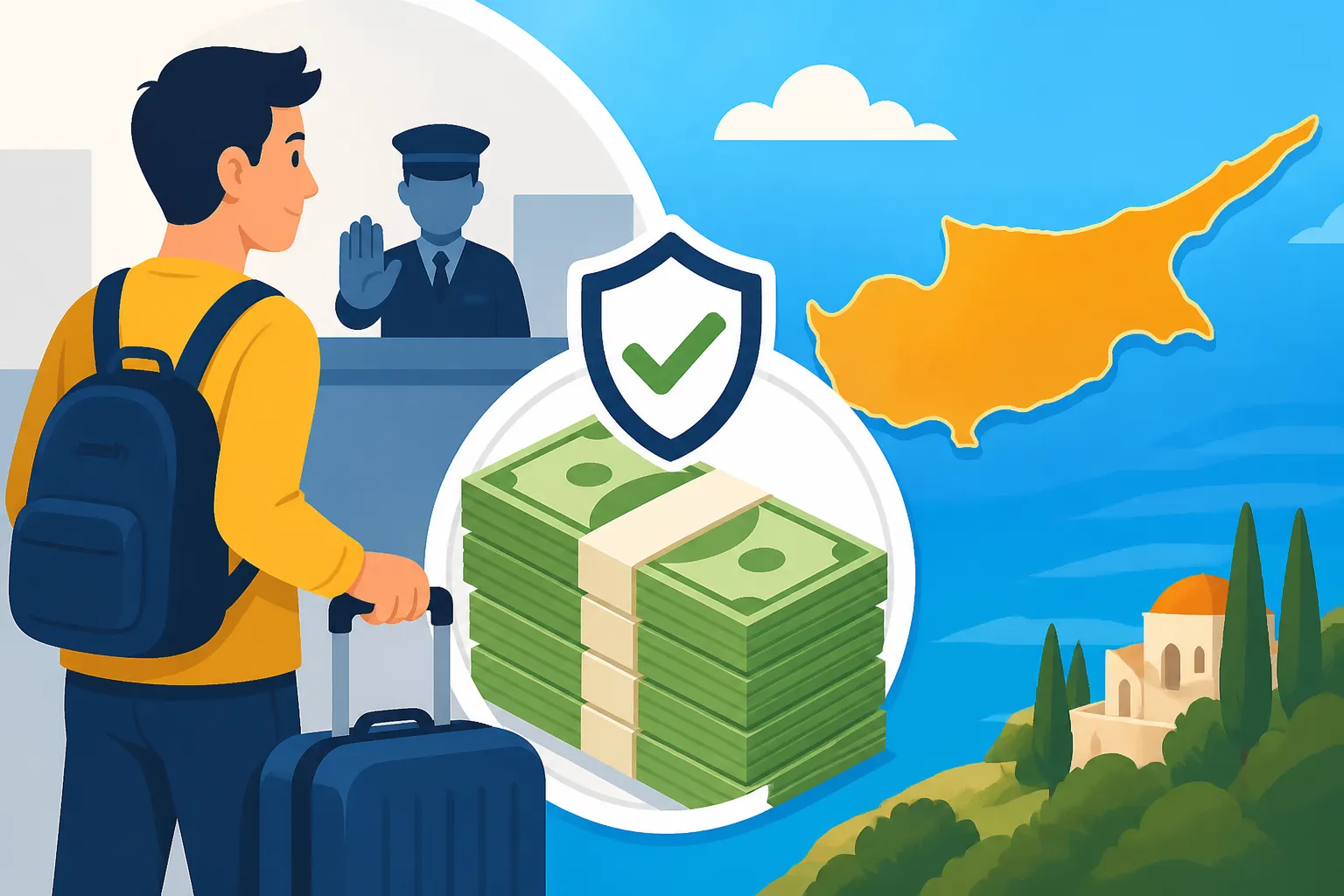
The golden rule to remember is €10,000. If you are entering or leaving Cyprus (or any EU country, for that matter) with cash or certain other monetary instruments equivalent to €10,000 or more, you are legally obliged to declare it to the customs authorities. This isn't just about bundles of euros; it includes any currency – dollars, pounds, yen, you name it – as well as other "negotiable bearer instruments" like cheques, travellers' cheques, promissory notes, and even gold coins or bullion. The value is cumulative; so, if you have €5,000 in euros and €6,000 worth of US dollars, you've crossed the threshold and must declare.
This rule applies universally. Whether you're a seasoned expat returning from a holiday, a digital nomad just arriving, or a family relocating, the €10,000 limit is non-negotiable. It’s not about how much you can bring, but how much you must declare. There's no upper limit to the amount of cash you can bring, as long as you declare it.
Why These Rules Exist: A Look at Financial Security
You might wonder why such strict rules are in place. Are they trying to stop you from bringing your own money? Not at all. These regulations are primarily designed to combat money laundering, terrorist financing, and other illicit financial activities. By requiring declarations for large sums of cash, authorities can track the flow of money, identify suspicious transactions, and maintain the integrity of the financial system. For expats, it's crucial to understand that these measures are for broader financial security, not to inconvenience legitimate individuals. Ignoring them, even out of ignorance, can lead to serious consequences. It's part of the global effort to ensure transparency and accountability in financial dealings.
Specific Scenarios: Coming from an EU vs. Non-EU Country
The distinction between coming from an EU or non-EU country mainly affects where and how your declaration is processed, rather than the threshold itself.
- Arriving from a Non-EU Country: If you're flying into Larnaca or Paphos from a country outside the European Union – say, the UK, the US, or Canada – you'll need to complete a Cash Declaration Form upon entry. Customs officials will be on the lookout for undeclared cash. It's usually the "red channel" at customs where you should head if you have something to declare. They are very vigilant about this, as it's the primary point of entry for funds into the EU.
- Arriving from Another EU Member State: While the €10,000 threshold still applies, the declaration process is slightly different. Since there are no routine customs checks on cash movements between EU member states, you might not encounter a specific "declaration point" at the airport. However, you are still legally obliged to declare it. This usually means you should approach the Cypriot customs authorities (e.g., at the airport, port, or a local customs office) on your own initiative and declare the cash. It's often referred to as a "disclosure requirement" rather than a "declaration at the border." They can still perform checks, and if you're found with undeclared cash over the limit, the penalties are the same.
In essence, whether you're bringing your life savings from Australia or a significant deposit from a bank in Germany, the €10,000 rule stands. The onus is entirely on you, the traveller, to be aware of and comply with these regulations. Failing to do so, even unintentionally, can lead to significant headaches.
Here’s a quick overview of the rules:
| Scenario | Cash/Equivalent Amount | Requirement |
|---|---|---|
| Entering/Leaving Cyprus (Any Origin) | Up to €9,999 | No declaration required. |
| Entering/Leaving Cyprus (Any Origin) | €10,000 or more | Mandatory declaration to customs authorities. |
| Arriving from Non-EU Country | €10,000 or more | Complete Cash Declaration Form at entry point. |
| Arriving from EU Country | €10,000 or more | Approach customs proactively to declare (no red channel). |
The Declaration Process: How to Declare Your Cash Upon Arrival
So, you've done your homework, realised you're over the €10,000 limit, and you’re prepared to do things by the book. Excellent! Now, let’s talk about the practicalities of declaring your cash once you land in Cyprus. It's not as scary as it sounds, but it does require attention to detail and a proactive approach.
Where and When to Declare: Landing at Larnaca or Paphos
When you arrive at either Larnaca International Airport (LCA) or Paphos International Airport (PFO), you’ll typically go through immigration first. After that, you’ll proceed to the baggage claim and then customs.
- For Non-EU Arrivals: Look for the designated "Red Channel" or signs indicating "Goods to Declare" or "Cash Declaration." This is where you should present yourself and your completed Cash Declaration Form. Customs officials are trained to handle these situations, and as long as you are honest and prepared, the process should be straightforward. Don't try to go through the "Green Channel" ("Nothing to Declare") if you have €10,000 or more, as this is where issues arise.
- For EU Arrivals: As mentioned, there might not be a physical "Red Channel" for arrivals from other EU countries. In this case, you are expected to seek out a customs official or the nearest customs office within the airport and declare your cash. It might feel a bit awkward, but it's your legal obligation. If you're unsure, ask an airport staff member to direct you to the customs office. Being proactive shows good faith.
It’s always best to declare immediately upon arrival. Don’t wait until you’ve left the airport or reached your accommodation, as that will be too late and could be construed as an attempt to circumvent the rules.
What Information You'll Need: The Finer Details
The Cash Declaration Form itself is relatively simple, but it asks for specific information that you should have readily available. You'll typically need to provide:
- Your personal details: Full name, date of birth, nationality, passport number, address in Cyprus (if known).
- Details of your journey: Flight number, country of origin, final destination.
- The exact amount of cash and other instruments: List the currency and total value for each. Be precise.
- The origin of the cash: Where did this money come from? (e.g., savings, sale of property, inheritance, salary). You might need to provide supporting documents if questioned, such as bank statements, property sale agreements, or a letter from your employer.
- The intended use of the cash: What are you going to use it for? (e.g., buying property, living expenses, business investment, opening a bank account). Again, having a clear, verifiable reason is important.
- Information about the recipient (if applicable): If you are carrying the cash on behalf of someone else, you'll need to provide their details too.
This is where planning ahead truly helps. If you're bringing a substantial amount for a specific purpose, like purchasing a home or setting up a business, having relevant documents readily accessible (even digital copies on your phone) can speed up the process if customs asks for clarification. For those looking at How to Buy Property in Cyprus as a Foreigner: The Full Guide (2027), this declaration is a critical early step.
Don't Underestimate the Form: Importance of Accuracy
Filling out the Cash Declaration Form might seem like a trivial administrative task, but it’s anything but. Accuracy is paramount. Any false or incomplete information can be viewed as an attempt to deceive customs, which can lead to serious legal repercussions, including fines and potential confiscation of your funds.
Take your time to fill it out clearly and accurately. If you're unsure about anything, don't guess. Ask the customs officer for clarification. They are there to enforce the rules, but also to assist you in complying. A little patience and honesty go a long way.
Remember that these declarations contribute to the broader financial picture. Services like Taxes for Expats often stress the importance of documenting all your income and assets, and declaring large sums of cash is part of that financial transparency. It’s not just about getting past customs; it’s about establishing a clear financial record from day one in your new home. This is especially relevant if you're planning to understand How to Register with the Tax Department and Get a TIN in Cyprus and later How to File Your Annual Income Tax Return in Cyprus.
The Risks and Repercussions of Non-Declaration
Now, let's talk about the less pleasant side of things – what happens if you don't declare your cash when you should. While it might seem tempting to try and slip through, the risks far outweigh any perceived convenience. Customs officials are trained to spot suspicious behaviour, and they have sophisticated methods for detecting undeclared cash.
What Happens if You Don't Declare: Penalties and Explanations
The consequences for failing to declare cash over the €10,000 limit in Cyprus can be severe. The specific penalties are outlined in the Republic of Cyprus's legislation, aligning with EU regulations regarding the control of cash entering or leaving the Union.
- Fines: The most common penalty is a substantial fine. This fine can be a percentage of the undeclared amount, and it can be quite hefty. For instance, in many EU countries, fines can range from 25% to 50% or even up to 100% of the undeclared sum, depending on the severity and circumstances. The Cypriot Customs & Excise Department can impose administrative fines which are designed to be a significant deterrent.
- Confiscation: In more serious cases, especially if there's a suspicion of illegal activity or an intentional attempt to evade declaration, your cash can be temporarily or even permanently confiscated. This means you could lose a significant portion, or all, of the money you brought with you. Imagine arriving in your new home only to have your entire moving budget seized – it's a nightmare scenario.
- Detention and Investigation: You could be detained for questioning by customs or police. This isn't just a quick chat; it can involve lengthy interviews, investigations into the origin and intended use of your funds, and delays to your travel plans. This can be particularly stressful for expats already dealing with the pressures of relocation.
- Criminal Charges: If the authorities suspect a link to serious crimes like money laundering, drug trafficking, or terrorism financing, you could face criminal charges. This would escalate the situation from an administrative infraction to a severe legal battle, potentially leading to imprisonment.
It's not worth the risk, truly. The slight inconvenience of filling out a form pales in comparison to the potential financial loss and legal trouble.
The Broader Implications: Money Laundering Concerns
As mentioned, the primary reason for these rules is to combat money laundering. When you move large sums of cash across borders without declaring it, you inadvertently flag yourself as a potential participant in illicit activities. Even if your intentions are entirely innocent, the lack of transparency raises red flags for financial intelligence units. These units cooperate internationally, sharing information to trace suspicious money flows.
For expats, particularly those establishing their financial footprint in Cyprus, having a clean record is essential. Any hint of financial irregularity can affect your ability to The Expat Guide to Opening a Bank Account in Cyprus, apply for loans, or even secure certain types of residency permits. Banks in Cyprus, like Hellenic Bank or Bank of Cyprus, are extremely vigilant about their 'Know Your Customer' (KYC) and Anti-Money Laundering (AML) obligations. If your initial cash declaration is messy or non-existent, it can create a ripple effect on your future financial dealings.
Beyond Fines: Potential for Legal Trouble
Beyond just fines, the legal ramifications can extend to your immigration status. For example, if you're in Cyprus on a visa or residence permit, any serious legal issues related to financial misconduct could jeopardise your ability to maintain or renew your permit. The Cypriot Civil Registry and Migration Department (CRMD) considers adherence to local laws, including financial regulations, as part of your good standing. Imagine going through the hassle of getting a The Complete Visa and Immigration Guide for Relocating to Cyprus (2027) only to have it threatened by a cash declaration oversight. It’s simply not worth it.
So, the lesson here is loud and clear: if you’re carrying €10,000 or more in cash or equivalents, declare it. Always.
Practical Tips for Handling Large Sums and Alternatives to Cash
While declaring cash is mandatory and crucial, is it always the best way to move large sums of money? Experienced expats tend to lean towards 'no' for anything beyond immediate expenses. There are often safer, more convenient, and more trackable methods to transfer your funds to Cyprus.
Securely Carrying Cash: Best Practices
If, for legitimate reasons, you absolutely must carry a large amount of cash (and have declared it), here are a few practical tips for security:
- Divide and Conquer: Don't keep all your cash in one place. Distribute it across different bags, pockets, or even with a trusted travel companion. This reduces the risk of losing everything if one bag is misplaced or stolen.
- Keep it Discreet: Avoid flashing large amounts of cash. Keep it out of sight, and only access it when absolutely necessary and in a secure location.
- Travel Insurance: Check if your travel insurance covers cash theft or loss, and be aware of any limits. Often, the coverage for cash is minimal.
- Documentation: Always carry a copy of your declaration form (once stamped by customs) and any supporting documents proving the origin of the funds. Keep these separate from the cash itself.
However, even with these precautions, carrying substantial amounts of cash is inherently risky, making it a target for theft or accidental loss.
Banking and Transfers: Safer Options for Expats
For most expats, particularly when moving significant life savings, bank transfers are by far the safest and most recommended option.
- International Bank Transfers: Once you've established residency and perhaps obtained your How to Get a Tax Identification Number in Cyprus? (TIN), opening a local bank account becomes a priority. Many expats choose to How to Open a Bank Account at a Cypriot Bank as a Foreigner with institutions like Bank of Cyprus or Hellenic Bank. You can then initiate a wire transfer from your home country bank directly to your Cypriot account. These transfers are trackable, secure, and provide a clear paper trail, which is excellent for tax purposes and future financial queries.
- Specialised Money Transfer Services: For international transfers, services like Wise (formerly TransferWise) have become incredibly popular among expats. They often offer more competitive exchange rates and lower fees compared to traditional banks, and their process is transparent and efficient. Using such services for How to Transfer Money Into and Out of Cyprus as an Expat can save you a considerable amount of money and stress. Crucially, these transfers leave a digital footprint, removing any ambiguity about the origin and destination of your funds.
- Debit/Credit Cards: For immediate expenses upon arrival, using your existing debit or credit cards is usually sufficient. Just inform your bank of your travel plans to avoid card freezes due to suspicious activity.
Using these methods means your funds are already in the banking system, subject to the regulations of financial institutions rather than customs at the border. This aligns much better with the transparency expected by The Complete Guide to Taxes in Cyprus for Expats (2027) and avoids potential issues with cash declarations.
Planning Ahead: Before You Even Pack Your Bags
The key to a smooth financial transition to Cyprus is planning. Don't wait until you're at the airport.
- Research Exchange Rates and Fees: If you’re converting currencies, do your homework to get the best rates. Services like Wise publish their rates upfront.
- Contact Your Bank: Inform your existing bank in your home country about your move and any large transfers you plan to make. Discuss their international transfer services, fees, and daily limits.
- Understand Cypriot Banking: Familiarize yourself with the requirements for opening a bank account in Cyprus. You'll need documents like your passport, proof of address, and often your TIN. For more details, check out The Expat Guide to Opening a Bank Account in Cyprus.
- Keep Records: Maintain meticulous records of all your financial transactions, especially large ones. This includes bank statements, transfer receipts, and any declarations made. This is invaluable if you ever need to justify the source of your funds, for example when dealing with Understanding Income Tax and Tax Bands in Cyprus.
By taking a proactive and informed approach, you can ensure that your financial journey to Cyprus is free from stress and complication, leaving you free to enjoy your new life on the island.
Disclaimer
The information provided in this guide is for general informational purposes only and does not constitute legal, financial, or tax advice. While we strive to keep the information up-to-date and accurate, regulations can change. Always consult with a qualified legal, financial, or tax professional in Cyprus for advice tailored to your specific situation. The author and publisher are not responsible for any actions taken based on the information presented herein.