Can Tourists Get a VAT Refund in Cyprus?
Non-EU tourists in Cyprus can claim a VAT refund on purchases over fifty euros by exporting new goods and getting customs stamps.

Non-EU tourists in Cyprus can claim a VAT refund on purchases over fifty euros by exporting new goods and getting customs stamps.

Pension transfer rules, tax residency requirements, and QROPS options help expatriates move retirement savings to Cyprus safely and efficiently.

Value Added Tax in Cyprus applies to most professional and consumer services, with rates spanning nineteen percent, reduced tiers, and specific exemptions.
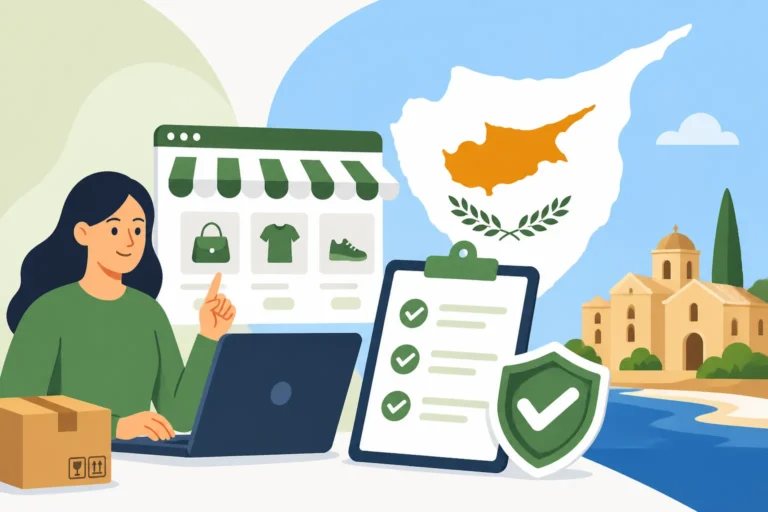
Cypriot VAT registration for online sellers requires tracking sales thresholds, gathering documents, and applying through the TaxisNet online portal.

Independent co-operative banks no longer operate in Cyprus after Hellenic Bank absorbed the entire sector, leaving commercial options for expats.

Cypriot property transfer fees depend on market value and VAT status. This explanation details calculation brackets, joint ownership, and additional costs.

Proper Cyprus tax record keeping requires retaining employment contracts, bank statements, and expense receipts for seven years to avoid penalties.

Tax clearance in Cyprus requires expats to settle all financial obligations and declare worldwide income to prevent severe fines or legal issues.
Digital alternatives like Wise, Revolut, and N26 provide fee free accounts and lower transaction costs compared to traditional Cypriot banks.

Dividend taxation for non-domiciled residents in Cyprus carries a zero percent rate through complete exemption from the Special Defence Contribution.