Can I Get IVF Treatment in Cyprus?
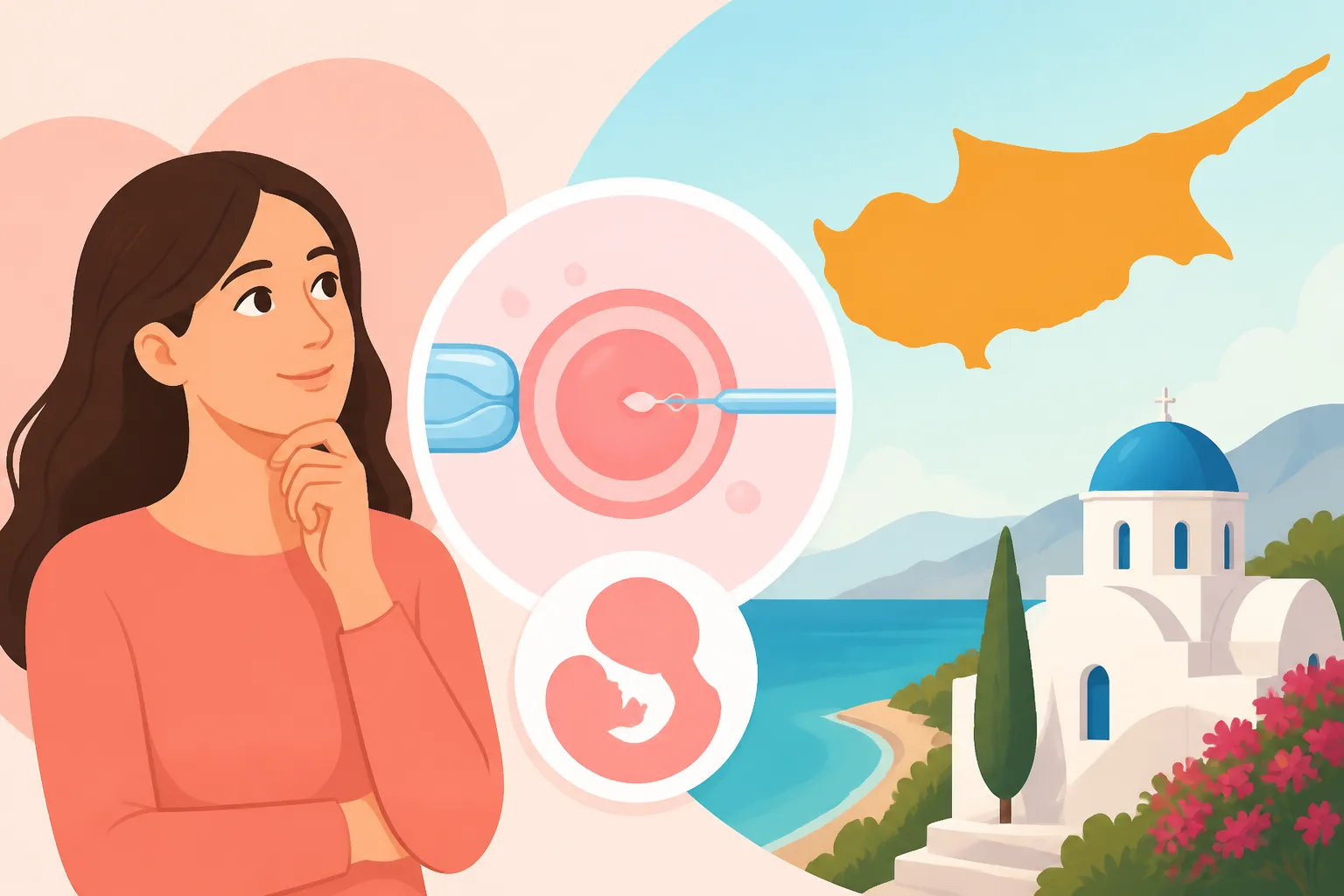
The emotional rollercoaster of considering IVF, especially when living in a foreign country like Cyprus, is something many of us expats understand intimately. It’s a journey filled with hope, anxiety, and a myriad of practical questions that can feel overwhelming. This guide aims to cut through the confusion and provide a clear, empathetic roadmap on accessing IVF treatment in Cyprus, covering everything from the medical landscape to the nitty-gritty of costs and support systems.
Cyprus as an IVF Destination: What Expats Need to Know
Cyprus has quietly, but firmly, established itself as a reputable destination for fertility treatments, attracting patients not only from within the island but also from across Europe and beyond. For expats already residing here, or those considering moving, it's a huge relief to know that world-class facilities are often within reach. The island's strategic location, pleasant climate, and the presence of highly qualified medical professionals (many of whom trained in the UK, Greece, or other European countries) contribute significantly to its appeal.
The Legal Landscape for Fertility Treatment
One of the primary reasons Cyprus has become an attractive hub for IVF is its progressive and clear legal framework surrounding assisted reproduction. Unlike some countries with very restrictive laws, Cyprus generally offers a more liberal approach, which can be a significant factor for individuals and couples pursuing fertility treatment.
For instance, the legal age limit for women undergoing IVF is typically around 50 years old, though this can vary slightly between clinics and is often assessed on a case-by-case basis based on the woman's overall health and ovarian reserve. What's also crucial is that egg donation, sperm donation, and embryo donation are all legally permitted and widely available here. This opens doors for many individuals and couples who might face legal or ethical barriers in their home countries. The process for donors is rigorously regulated to ensure safety and ethical practices, often involving comprehensive screening and counseling. Additionally, preimplantation genetic diagnosis (PGD) and preimplantation genetic screening (PGS) are allowed, offering options for couples concerned about passing on genetic conditions or wishing to improve success rates by selecting healthy embryos. This robust legal framework, balancing accessibility with ethical oversight, provides a reassuring environment for expats navigating such a sensitive journey.
Reputation and Success Rates
Cypriot IVF clinics have built a solid reputation over the years, often boasting success rates that are competitive with, and in some cases, even surpass those found in more established fertility hubs. This isn't just anecdotal; many clinics openly publish their success statistics, often broken down by age group and treatment type, reflecting their commitment to transparency.
These success rates are largely attributable to a combination of factors: the adoption of advanced reproductive technologies, strict quality control measures, and the expertise of their medical teams. Many clinics use state-of-the-art laboratories equipped with the latest incubators, imaging systems, and genetic testing facilities. Furthermore, the personalized approach often found in Cypriot clinics means patients receive tailored treatment plans rather than a one-size-fits-all approach. Doctors and embryologists here often work in close-knit teams, ensuring continuity of care and a holistic view of each patient's case. While it's always important to view success rates with a critical eye (as methodologies for reporting can differ), the overall trend indicates a high standard of care and positive outcomes in Cyprus, making it a viable and hopeful option for many.
The IVF Journey in Cyprus: A Step-by-Step Guide
Embarking on an IVF journey is a deeply personal and often intense experience. Understanding the practical steps involved, especially in a foreign healthcare system, can help alleviate some of the stress. While each clinic might have slightly different protocols, the general outline of the IVF process in Cyprus remains consistent.
Finding the Right Clinic and Initial Consultation
The first step is arguably the most important: finding an IVF clinic that resonates with you and your partner. Cyprus has several well-regarded clinics, primarily located in the larger cities like Limassol, Nicosia, and Larnaca. Popular choices often include Pedieos IVF Center in Nicosia, Demetra IVF Centre also in Nicosia, and Femicare IVF in Limassol, among others. These clinics usually have English-speaking staff and websites, making initial contact and information gathering much easier for expats.
Your initial consultation is a critical opportunity to meet the medical team, discuss your medical history, and understand the potential treatment paths. Expect to provide detailed medical records, including any previous fertility tests or treatments you've undergone. If you haven't had them yet, the doctor will likely recommend a series of diagnostic tests for both partners. For women, this typically includes blood tests (hormone levels like AMH, FSH, LH, E2), ultrasound scans to assess ovarian reserve and uterine health, and possibly a hysterosalpingography (HSG) to check fallopian tube patency. For men, a semen analysis is standard. This initial phase can feel a bit like information overload, but it’s essential for the clinic to create a personalized and effective treatment plan. Don't hesitate to ask about their success rates, their approach to specific conditions, and what kind of support they offer throughout the process.
Understanding the Treatment Protocols and Procedures
Once the diagnostic phase is complete and a treatment plan is established, the actual IVF cycle begins. This typically involves several distinct stages:
- Ovarian Stimulation: You'll be prescribed fertility medications (usually daily injections) to stimulate your ovaries to produce multiple eggs, rather than the single egg normally released during a natural cycle. This phase is closely monitored through regular blood tests and ultrasound scans at the clinic to track follicle growth.
- Egg Retrieval: Once the follicles are mature, a minor surgical procedure is performed under light sedation to retrieve the eggs. This is usually done in the clinic's operating theatre, and you'll typically be able to go home the same day.
- Sperm Retrieval and Fertilisation: On the same day as egg retrieval, a sperm sample is collected from the male partner. The eggs and sperm are then combined in a laboratory dish to allow fertilisation. In cases of male infertility or previously failed fertilisation, intracytoplasmic sperm injection (ICSI) might be used, where a single sperm is injected directly into each egg.
- Embryo Culture: The fertilised eggs (embryos) are cultured in the lab for typically 3 to 5 days, allowing them to develop. The embryologists monitor their growth and quality.
- Embryo Transfer: One or more selected embryos are then transferred into the woman's uterus using a thin, flexible catheter. This procedure is usually painless and doesn't require anaesthesia. The number of embryos transferred is carefully decided by you and your doctor, considering your age, embryo quality, and previous IVF attempts, to balance success rates with the risk of multiple pregnancies.
The entire process, from stimulation to embryo transfer, usually takes about two to three weeks. It’s a period that demands patience and emotional resilience, as each step carries its own anxieties and hopes.
Post-Treatment Care and Support
After the embryo transfer, the "two-week wait" for a pregnancy test result can be one of the most challenging periods. During this time, you'll typically be advised to continue with progesterone medication to support the uterine lining. The clinic will provide clear instructions on when and how to perform a pregnancy test (usually a blood test for hCG).
Regardless of the outcome, post-treatment care and support are crucial. If the cycle is successful, the clinic will guide you through the early stages of pregnancy, often conducting initial scans before transitioning you to regular obstetric care. If, heartbreakingly, the cycle is unsuccessful, most clinics offer a follow-up consultation to discuss what happened, explore reasons for failure, and plan for future steps, whether that's another IVF cycle, considering alternative treatments like donor eggs, or simply taking a break. Many clinics also have psychologists or counselors on staff or can refer you to English-speaking professionals who specialize in fertility issues, offering vital emotional support during what can be an incredibly draining time. This comprehensive approach to post-treatment care underscores the empathetic nature of many Cypriot fertility services.
Financial Realities: Costs and Insurance for IVF in Cyprus
Let's be real: fertility treatment can be incredibly expensive, and navigating the financial side in a new country adds another layer of complexity. It's vital to have a clear understanding of the costs involved and what, if anything, your insurance might cover.
Estimating the Costs of IVF Cycles
The cost of IVF treatment in Cyprus can vary significantly depending on the clinic, the specific protocol required, and whether additional procedures are needed (e.g., ICSI, PGD, egg/sperm donation). Generally, a single IVF cycle, without donor material, can range from €3,500 to €5,000. This typically includes ovarian stimulation, egg retrieval, fertilisation, embryo culture, and embryo transfer.
However, it's crucial to factor in additional costs:
- Medications: These are a significant expense and can add another €800 to €2,000 per cycle, depending on the dosage and type required.
- Diagnostic Tests: Initial blood tests, scans, and semen analysis might or might not be included in the basic package, so clarify this.
- Additional Procedures:
- ICSI (Intracytoplasmic Sperm Injection): Often an extra €500 – €800.
- Embryo Freezing and Storage: Initial freezing costs around €500 – €800, with annual storage fees of €200 – €400.
- PGD/PGS (Preimplantation Genetic Diagnosis/Screening): Can add €2,000 – €4,000 or more, plus a per-embryo testing fee.
- Donor Eggs/Sperm: This significantly increases the cost. Egg donor programs can range from €5,000 to €10,000, depending on whether it's a fresh or frozen cycle, and the donor's profile.
- Consultations: Follow-up consultations, especially after an unsuccessful cycle, might incur separate fees.
It's highly recommended to get a detailed breakdown of all potential costs from your chosen clinic upfront. Don't be shy about asking for an all-inclusive quote or a clear list of what is and isn't covered in their base price.
GeSY and Private Health Insurance Coverage
This is where it gets a bit tricky for expats. While Cyprus has a fantastic General Healthcare System (GeSY), the coverage for fertility treatments like IVF is currently very limited or non-existent for elective procedures, particularly for non-residents or those who have recently joined the system. GeSY primarily focuses on covering essential medical care and certain diagnostics. While initial fertility investigations by a GeSY Personal Doctor (GP) or specialist might be covered, the actual cost of IVF cycles and associated medications generally falls outside GeSY's remit. This means that, for most expats, IVF will be an out-of-pocket expense.
Private health insurance policies also vary wildly. Many standard private health insurance plans in Cyprus do not cover elective fertility treatments. Some premium or specialized plans might offer limited coverage, often with significant waiting periods, annual limits, or strict criteria. If you have private health insurance, you must review your policy documents thoroughly and speak directly with your insurer to understand any potential coverage for fertility diagnostics or treatment. Don't assume anything.
For those considering coming to Cyprus specifically for IVF, or new expats navigating the healthcare system, it's worth noting that while your primary focus will be on the IVF clinic's costs, you'll still need general health coverage for any other unexpected medical needs. While travel insurance policies like SafetyWing are excellent for unforeseen emergencies while abroad, they typically do not cover planned medical treatments like IVF. However, having something like SafetyWing in place for general travel health means that if you encounter an unrelated medical emergency during your IVF cycle abroad, you're not left entirely exposed. But for the IVF itself, you'll be looking at self-funding or highly specialized private plans. Understanding who is eligible for GeSY in Cyprus is a critical first step for any expat, even if it doesn't directly cover IVF.
Additional Costs and Financial Planning
Beyond the direct medical expenses, there are other financial considerations that can add up. These include:
- Travel and Accommodation: If you don't live in the city where your chosen clinic is located, you'll need to factor in travel costs (fuel, bus fares, taxis) and potentially accommodation expenses, especially during the intensive monitoring phase or around retrieval and transfer.
- Time Off Work: IVF requires frequent clinic visits, which might necessitate taking time off work. Consider the financial implications of lost wages or using up annual leave.
- Psychological Support: As mentioned, the emotional toll can be immense. Budgeting for private counseling sessions, if not covered by your insurance or provided by the clinic, can be a valuable investment in your mental well-being.
- Legal Fees: If you're considering third-party reproduction (e.g., surrogacy, although the legal framework for surrogacy in Cyprus is complex and generally not permitted for commercial purposes), or if there are any unusual legal considerations, you might need legal advice.
Creating a comprehensive budget that accounts for all these potential costs is essential for informed financial planning. It helps manage expectations and reduces financial stress during an already demanding period.
Choosing Your Clinic and Support Systems
Selecting the right clinic and building a robust support system around you are just as important as the medical procedures themselves. This journey takes a village, even if that village is just you and your partner.
Logistics for International Patients and Residents
For expats already living in Cyprus, the logistics are somewhat simplified as you're already on the island. However, if you're considering travelling to Cyprus specifically for IVF, or if your chosen clinic is in a different city, you'll need to plan accommodation and local transport carefully. Many clinics are experienced with international patients and can offer recommendations for nearby apartments or hotels. They also often have patient coordinators who can assist with travel arrangements, airport transfers, and even interpreting services if needed, though English is widely spoken in Cypriot clinics.
For long-term residents, access to your own vehicle is often beneficial for frequent clinic visits, especially if public transport isn't convenient for your route. Consider the ease of access, parking availability, and proximity to pharmacies for medication refills. While the Cypriot healthcare system can be confusing, Understanding How to Use Private Hospitals and Clinics in Cyprus can give you a better idea of the overall infrastructure you'll be interacting with.
Emotional Support and Mental Well-being
The IVF journey is notoriously challenging psychologically. The constant waiting, the daily injections, the hope, and the potential heartbreak can take a severe toll on your mental and emotional well-being, as well as on your relationship. It’s crucial to acknowledge this and proactively seek out support.
- Partner Support: Open and honest communication with your partner is paramount. Share your fears, hopes, and frustrations. Consider couples counseling if needed.
- Friend and Family Network: While you might choose to keep your IVF journey private, having a trusted confidante or two can make a huge difference. Sometimes, just having someone to vent to can ease the burden.
- Support Groups: While perhaps less formal than in larger countries, online forums or local expat groups might have members who have gone through similar experiences in Cyprus. Connecting with others who truly understand can be incredibly validating.
- Professional Counseling: Many clinics offer access to psychologists specializing in fertility. If not, finding an English-speaking therapist in Cyprus who understands the unique pressures of IVF and expat life can provide invaluable coping strategies and emotional processing tools. Accessing mental health services in Cyprus as an expat is possible, and many professionals are available.
Remember, you don't have to be strong all the time. Allowing yourself to feel vulnerable and seeking help is a sign of strength, not weakness.
Choosing Your Healthcare Ecosystem
When deciding on a clinic, it's not just about success rates; it's about finding a place where you feel comfortable, respected, and heard. Consider factors like:
- Clinic Reputation and Reviews: While online reviews should be taken with a grain of salt, consistent positive or negative feedback can be telling.
- Doctor-Patient Relationship: Do you feel comfortable with your doctor? Do they answer your questions thoroughly and patiently? Is there a good rapport? This personal connection is vital for such an intimate process.
- Language Barrier: Ensure clear communication is possible. Most clinics catering to expats will have English-speaking staff, but clarify this.
- Support Services: Does the clinic offer psychological support, nutritional advice, or patient coordinators?
- Transparency: Are costs clearly laid out? Are they transparent about their processes and success rates?
Ultimately, the choice of clinic and your overall support system will significantly impact your experience. Take your time, do your research, and trust your gut feeling. Cyprus offers excellent opportunities for IVF treatment, and with careful planning and a robust support network, many expats find their journey here to be a hopeful and positive one. For a broader overview, you might want to delve into The Complete Guide to Healthcare in Cyprus for Expats (2027), or Navigating the Cypriot Healthcare System: An Expat's Roadmap (2027) to understand the broader context. If you're also considering your insurance options for general health, a detailed look at Health Insurance in Cyprus: GeSY, Private and Employer Options Explained could be beneficial.
| IVF Cost Component (Estimate) | Typical Range (EUR) | Notes |
|---|---|---|
| Base IVF Cycle | €3,500 – €5,000 | Includes egg retrieval, fertilisation, embryo transfer. |
| Medications | €800 – €2,000 | Highly variable depending on dosage and protocol. |
| ICSI | €500 – €800 | Additional for male factor infertility. |
| Embryo Freezing | €500 – €800 | One-time fee for freezing. |
| Embryo Storage (Annual) | €200 – €400 | Recurring annual fee. |
| PGD/PGS Testing | €2,000 – €4,000+ | For genetic screening, per cycle, plus per-embryo fees. |
| Egg Donation Program | €5,000 – €10,000 | Significant increase in cost, varies by fresh/frozen, donor profile. |
| Sperm Donation | €500 – €1,000 | Cost of donor sperm sample. |
| Initial Consultations | €100 – €200 | May be separate or included in package. |
| Diagnostic Tests | €100 – €500 | Blood tests, ultrasounds, semen analysis (if not covered by GeSY GP). |
Disclaimer
The information provided in this guide is intended for general informational purposes only and does not constitute medical, legal, or financial advice. While we strive to provide accurate and up-to-date information, regulations, costs, and medical practices in Cyprus can change. Always consult with qualified medical professionals, legal experts, and financial advisors for advice tailored to your specific situation. We cannot be held responsible for any inaccuracies or omissions.