Is Maternity Covered by GeSY in Cyprus?
One of the biggest worries for any expat starting a new life in Cyprus, especially for those planning to start or grow their family, is understanding how the local healthcare system handles something as monumental as maternity care. The labyrinthine nature of a new country's bureaucracy can be daunting, and when it comes to pregnancy and childbirth, you want absolute clarity and peace of mind. This comprehensive guide is here to untangle the complexities of maternity coverage under GeSY, Cyprus's General Healthcare System, for expats like us.
Understanding GeSY and Maternity Coverage in Cyprus
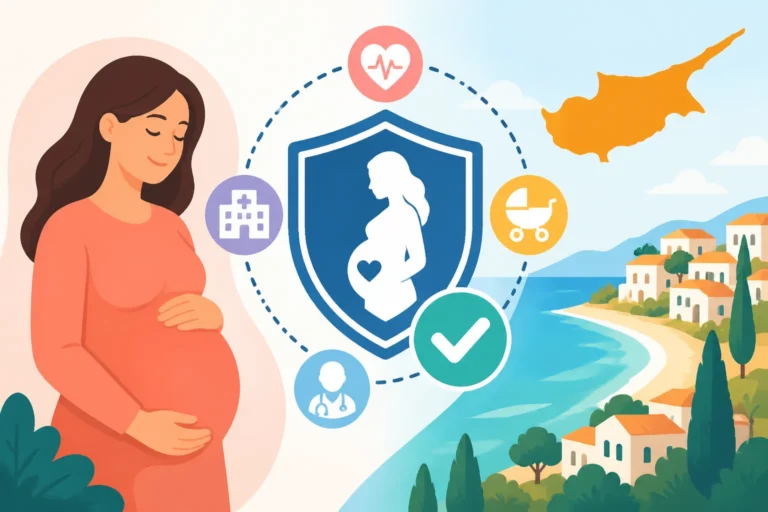
Moving to a new country and finding yourself pregnant, or planning a pregnancy, brings a unique set of anxieties. Will you be covered? What services are included? How does it all work? The good news is that GeSY, Cyprus’s universal healthcare system, is designed to be quite comprehensive, and that absolutely extends to maternity care for eligible residents. It's a system that has fundamentally changed the landscape of healthcare here, aiming to provide equitable access to medical services.
Who Is Eligible for GeSY?
First things first: eligibility. This is often where the initial confusion lies for new arrivals. To be eligible for GeSY, you generally need to be a permanent resident of Cyprus and make social insurance contributions. This typically means you are employed or self-employed and paying into the Social Insurance Fund. Once you're registered and contributing, you, and often your dependents, gain access to the system. For expectant mothers, this is a crucial step.
If you’re an employee, your employer will handle the social insurance contributions, and you’ll automatically be registered for GeSY provided you have your Alien Registration Number (ARC) and are declared as an employee. Self-employed individuals need to register themselves with the Social Insurance Services and pay their contributions directly. There are also specific provisions for pensioners and certain vulnerable groups. The key takeaway is that as long as you are legally residing and contributing to the social insurance scheme, you are very likely eligible. We've all been there, staring at forms and wondering if we've ticked the right box, but once you navigate the initial setup, GeSY becomes a true lifesaver. You can find more detailed guidance on getting started with the system in our article, How to Register for GeSY (General Healthcare System) in Cyprus (2027).
What Maternity Services Does GeSY Cover?
Once you're in the GeSY system, the coverage for maternity services is wonderfully broad. It's designed to support you from conception right through to the postnatal period, covering a vast array of necessary medical interventions and support. This is where GeSY truly shines, ensuring that expectant parents have access to essential care without prohibitive costs.
Your coverage typically includes all prenatal care, which means regular consultations with your personal doctor (GP) and then with a specialist obstetrician-gynecologist (OB-GYN) once you receive a referral. These visits will include routine check-ups, blood tests, urine tests, and crucial ultrasound scans that monitor the baby's development. Most standard diagnostic tests prescribed by your GeSY doctor or specialist, such as gestational diabetes screening or specific blood panels, are covered.
When it comes to the big day, GeSY covers the costs associated with childbirth itself, whether it's a natural vaginal delivery or a C-section, provided it takes place in a GeSY-affiliated public or private hospital. This includes the medical team's fees, the use of the delivery room, medication, and the standard hospital stay. Postnatal care is also included, encompassing follow-up visits for the mother and initial check-ups for the newborn. It’s a comprehensive package that aims to ease the financial burden of bringing a new life into the world, which for many expats can be a huge relief, allowing you to focus on the joy of impending parenthood rather than the mounting bills.
Navigating Maternity Care with GeSY: The Practicalities
Alright, so you know you're eligible and what's covered. Now, how do you actually use the system? This is where the practical steps come in, and understanding them early can save you a lot of stress down the line. It's not always as straightforward as it might be in your home country, but with a bit of guidance, you'll find your way.
Registering with a Personal Doctor GP and Specialist Referrals
Your first port of call in the GeSY system for almost any medical need, including the initial stages of pregnancy, is your Personal Doctor (GP). This is a crucial step that many expats find takes a bit of time, but it’s absolutely worth getting right. Your GP acts as your gatekeeper and primary care provider within GeSY. Once you suspect you're pregnant, your GP will be the one to confirm it, initiate initial tests, and then, importantly, refer you to an OB-GYN.
The referral process is standard for most specialist care under GeSY. Your GP will write you a referral, and you can then choose an OB-GYN from the list of GeSY-registered specialists. It's a good idea to research specialists in your area, as you'll want someone you feel comfortable with throughout your pregnancy. Don't be afraid to ask for recommendations from other expat mums or local friends. This process is detailed further in our guide, Registering with a Personal Doctor (GP) in Cyprus: The Complete Expat Guide (2027), and specific information about referrals can be found in How Specialist Referrals Work Under GeSY in Cyprus. Remember, while the choice is yours, some specialists might have longer waiting lists, especially popular English-speaking ones. Start early!
Understanding Co-Payments and Out-of-Pocket Expenses
Even with GeSY covering a vast majority of maternity services, it's important to understand that it's not entirely free. There are typically small co-payments (or 'user fees') for certain services, though many essential maternity services are exempt or have significantly reduced fees. This is designed to ensure accessibility while also managing demand on the system.
For example, a standard visit to your GP or a GeSY specialist will incur a nominal co-payment. However, for pregnant women, many prenatal diagnostic tests, specialist consultations directly related to the pregnancy, and the childbirth itself are often exempt from these fees. It’s always best to confirm with your chosen OB-GYN or the hospital about any specific fees that might apply to you, but generally, the financial burden is minimal compared to the true cost of these services.
Where you might encounter out-of-pocket expenses is if you opt for certain additional services that are not deemed medically necessary under GeSY, or if you choose to have specific tests done at a private lab without a GeSY referral. Another common scenario is if you request a private room in a public hospital during your stay, or if you want an elective C-section without a medical indication (though most OB-GYNs will require medical necessity for a C-section). We break down these costs in more detail in our article on Understanding GeSY Co-Payments and Out-of-Pocket Fees in Cyprus, which can help you budget accordingly.
Public vs. Private Maternity Options and Complementary Insurance
While GeSY offers excellent coverage, many expats still ponder the choice between public and private healthcare for maternity. It's a decision that often comes down to personal preference, budget, and priorities regarding comfort, continuity of care, and waiting times.
Public vs. Private Hospitals for Childbirth
Choosing where to give birth is a deeply personal decision, and Cyprus offers both public (GeSY-affiliated) and private hospital options. Both have their merits, and many expats weigh them carefully.
Public Hospitals (under GeSY):
- Pros: Minimal to no direct cost for most services after GeSY registration. Equipped to handle emergencies and high-risk pregnancies.
- Cons: Can be busier, leading to potentially longer waiting times for appointments or procedures. Amenities might be more basic compared to private hospitals. You might not have the same doctor for every prenatal visit, as it operates on a rotation system. Hospital stays might be shorter once deemed medically safe.
- Experience: The care is medically sound, but the environment might feel more clinical. You might be in a ward with other mothers, rather than a private room, unless medically necessary or if you pay a supplement.
Private Hospitals (GeSY-affiliated):
- Pros: Often offer more comfortable and modern facilities, including private rooms as standard. You typically have more continuity of care with your chosen OB-GYN throughout your pregnancy and delivery. Shorter waiting times for appointments. More personalized attention for some.
- Cons: While the medical fees for GeSY-registered doctors and services are covered by GeSY, some private hospitals may have additional charges for upgraded rooms, specific amenities, or non-GeSY covered services.
- Experience: Generally a more hotel-like experience with better amenities and the comfort of knowing your chosen OB-GYN will be there for your delivery.
Many expats choose to use GeSY for their prenatal care through a private OB-GYN (since many private doctors are GeSY-registered) and then decide on the hospital closer to their due date. This blended approach offers flexibility. For a broader perspective, you can read our comparison of Public vs Private Healthcare in Cyprus: Which Should Expats Choose? and a more specific breakdown in How to Choose Between Public and Private Maternity Care in Cyprus.
The Role of Private Health Insurance Alongside GeSY
Even with GeSY providing robust maternity coverage, some expats opt for private health insurance as a complementary layer of protection. Why? Primarily for added peace of mind, greater flexibility, and access to services or amenities that GeSY might not cover or might involve longer waits.
For instance, if you're keen on ensuring you have a private room, a specific type of birthing experience, or guaranteed access to a particular high-demand specialist without waiting, private insurance can bridge that gap. Many private policies allow you to bypass some of the GeSY referral structures if you choose a fully private doctor or facility that isn't GeSY-affiliated, offering more direct access.
Private health insurance can also be incredibly useful during the initial period after moving to Cyprus, before you've fully established your residency and GeSY eligibility. Policies like SafetyWing are particularly popular among digital nomads and expats for their flexibility and travel insurance component, which can provide a crucial safety net for unexpected medical needs while you're still getting set up. Imagine arriving, getting pregnant, and not yet having GeSY; having a reliable international health insurance like SafetyWing could cover you during that transitional phase. Even once you're on GeSY, some expats keep a private policy as a 'top-up' to cover private hospital room upgrades or to access specific private fertility treatments or advanced diagnostic tests not fully integrated into GeSY. When choosing, look at policies carefully, as maternity coverage often has a waiting period (e.g., 10-12 months) before benefits kick in. Our guide on Health Insurance in Cyprus: GeSY, Private and Employer Options Explained and Understanding Private Health Insurance Options in Cyprus offers further insights.
Important Considerations for Expats Expecting in Cyprus
Beyond the mechanics of GeSY and private insurance, there are a few other practical considerations that every expat expecting a baby in Cyprus should keep in mind. These often relate to cultural nuances, administrative processes, and ensuring you have the support system you need.
Language Barriers and Finding English-Speaking Professionals
One of the most common concerns for expats navigating healthcare is the potential language barrier. While many doctors and healthcare professionals in Cyprus, especially in urban centers like Limassol, Nicosia, and Paphos, speak excellent English (a legacy of British rule and strong tourism), it's not a given everywhere. In smaller towns or more rural areas, you might encounter professionals whose English is less fluent.
Don't let this deter you. When choosing your GP or OB-GYN, explicitly ask about their English proficiency. Many clinics, particularly private ones, proudly advertise English-speaking staff. Expats forums and social media groups are also invaluable resources for recommendations. It truly makes a difference to be able to communicate clearly and ask all your questions without fear of misunderstanding, especially during pregnancy. You can also explore our specific tips for How to Find an English-Speaking Doctor in Cyprus. The good news is that Cyprus is very expat-friendly, and finding an English-speaking medical team for your pregnancy journey is usually quite manageable.
Registering Your Newborn for GeSY
Congratulations, mama! The baby is here! Now, another administrative task awaits: registering your newest family member for GeSY. It's a fairly straightforward process, but like all things bureaucratic, it requires attention to detail and timely action.
Once your baby is born, you'll receive a birth certificate. With this document, you'll need to update your GeSY registration to include your newborn as a dependent. This typically involves going to the local Citizen Service Centre (KEP) or Social Insurance Services with your ARC, your baby's birth certificate, and potentially your marriage certificate if you're married. Your baby will then be added to your GeSY file, ensuring they have access to their own medical care, including vaccinations and paediatrician visits, right from the start. We've dedicated a whole article to this specific topic: How to Register My Newborn for GeSY in Cyprus?. Don't delay this step, as you'll want your little one covered as soon as possible.
Maternity and Parental Leave Entitlements
Understanding your rights regarding maternity and parental leave is paramount for expectant and new parents working in Cyprus. The Cypriot social insurance system provides benefits to help support families during this significant life transition.
Maternity Leave: Eligible working women are entitled to 18 consecutive weeks of maternity leave. This period usually starts between two and nine weeks before the expected week of confinement. During this time, you can receive maternity benefit from the Social Insurance Fund, provided you meet specific contribution conditions. This benefit aims to replace a portion of your lost earnings, allowing you to focus on your health and your newborn.
Paternity Leave: Fathers are also entitled to paternity leave, which typically consists of two weeks of leave that can be taken within a specific period after the birth or adoption of a child. This benefit is also provided by the Social Insurance Fund.
Parental Leave: Beyond maternity and paternity leave, both parents have the right to request unpaid parental leave for childcare purposes, usually until the child reaches a certain age (e.g., eight years old). This allows for more flexibility in balancing work and family life, though it's important to note this is typically unpaid. It's always a good idea to discuss these entitlements with your employer and check the specific requirements with the Social Insurance Services. You can delve deeper into this topic by reading Understanding Maternity and Parental Leave in Cyprus.
Navigating these aspects might seem like a lot, but remember, there are resources and support networks (both official and expat-led) available to help you every step of the way.
Comparison of GeSY vs. Private Maternity Care
To give you a clearer picture, here's a table comparing some key aspects of maternity care under GeSY and purely private options in Cyprus:
| Feature | GeSY (Public/Private GeSY-affiliated Hospitals) | Private (Non-GeSY affiliated Hospitals/Clinics) |
|---|---|---|
| Cost | Minimal co-payments; many services exempt (birth itself often €0) | Full cost of services, potentially covered by private insurance (e.g., SafetyWing for initial periods or top-ups) |
| Eligibility | Cyprus permanent resident, social insurance contributions | Anyone who can pay, or has private insurance |
| Doctor Choice | Choose from GeSY-registered GPs & OB-GYNs; may be limited | Choose any doctor; wider selection if paying privately |
| Hospital Amenities | Varies; public hospitals basic, private GeSY-affiliated good | Generally high-end, private rooms often standard |
| Wait Times | Can be longer for popular specialists or specific tests | Shorter waiting times for appointments and procedures |
| Continuity of Care | GP provides referral, then specialist; rotation possible | Often one OB-GYN throughout pregnancy and delivery |
| Post-Natal Support | Standard follow-ups for mother and baby | Standard follow-ups; possibly more extensive home visits (if paid for) |
| Flexibility | Follows GeSY protocols and referral system | More flexibility in choosing specific tests or services (if covered by insurance) |
Disclaimer
Please remember that I am an expat blogger sharing general advice based on personal experience and publicly available information, not a licensed financial, medical, or legal professional. While I strive to provide accurate and up-to-date information, rules and regulations in Cyprus, especially concerning healthcare and immigration, can change. Always consult with official government sources, legal experts, healthcare providers, or a qualified insurance advisor (like representatives from SafetyWing if you are considering their coverage) for personalized advice tailored to your specific situation. This information should not be taken as professional counsel.