How Do I Find a Cardiologist in Cyprus?
Finding a specialist doctor in a new country, especially when it's something as crucial as a cardiologist, can feel incredibly daunting. The Cypriot healthcare system, with its mix of public (GeSY) and private options, can be a maze for newcomers. This guide will walk you through the process, offering clear, empathetic steps to help you find the right heart specialist in Cyprus, easing some of that initial expat anxiety.
Understanding the Cypriot Healthcare System for Specialist Referrals
Navigating any healthcare system as an expat comes with its unique set of challenges, and Cyprus is no exception. Before you even begin to search for a cardiologist, it's vital to understand the two main pathways available: the General Healthcare System (GeSY) and the private sector. Your choice will largely dictate your initial steps and how you access specialist care.
GeSY vs. Private: Your Initial Path
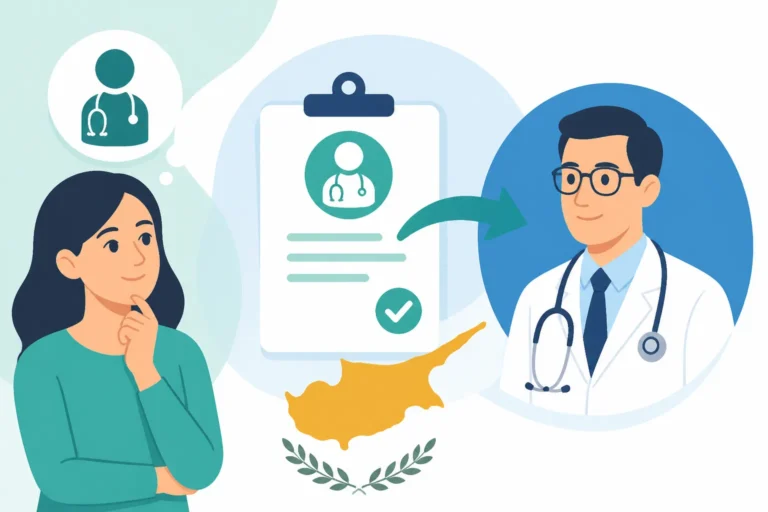
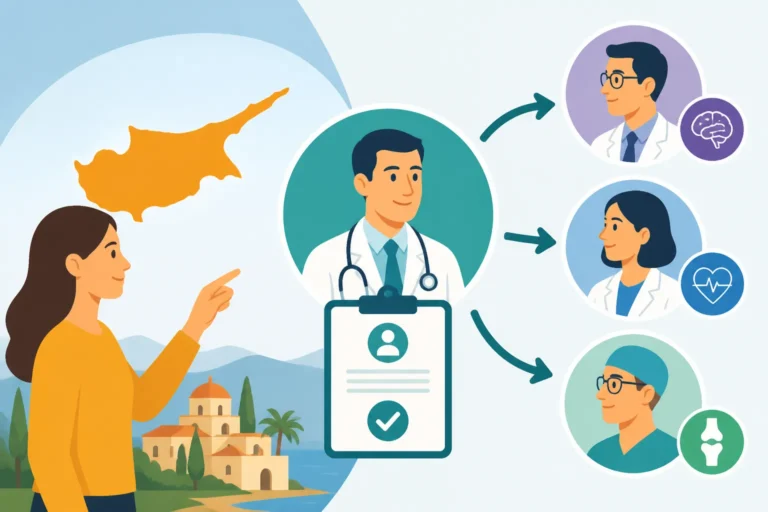
For many expats residing in Cyprus, especially those who are employed or self-employed and contribute to Social Insurance, GeSY becomes their primary healthcare provider. If you're registered with GeSY, the pathway to seeing a cardiologist typically starts with your personal doctor, often referred to as your General Practitioner (GP). Think of your GP as the gatekeeper; they assess your symptoms, provide initial care, and if they deem it necessary, will issue a referral to a specialist, including a cardiologist. This referral is usually uploaded directly to the GeSY portal, and you'll then need to book an appointment with a GeSY-registered cardiologist. It’s a structured system designed to manage patient flow and ensure appropriate care levels, but it can sometimes feel a bit slow-moving, particularly if you're used to direct access to specialists.
On the other hand, the private healthcare sector offers a more direct route. If you opt for private care, either because you prefer it, you're not eligible for GeSY, or you're awaiting your GeSY registration, you can usually book an appointment with a private cardiologist without a referral from a GP. This offers greater flexibility and often shorter waiting times, which can be a huge relief when dealing with a pressing health concern. However, this direct access comes with a direct cost. While GeSY appointments involve nominal co-payments, private consultations and tests will be paid out-of-pocket, unless you have private health insurance. Many expats choose to supplement GeSY with private insurance, or rely solely on private insurance, for this very reason. Having a comprehensive private plan, perhaps from providers like SafetyWing, can make the private route more financially manageable, especially for unexpected specialist visits.
The Importance of Your Personal Doctor (GP)
If you're enrolled in GeSY, your personal doctor is absolutely central to your healthcare journey, particularly when it comes to seeing specialists. They are your first point of contact for any health concern. When you suspect you might need to see a cardiologist, your first step should always be to schedule an appointment with your registered GeSY GP. During this consultation, you'll explain your symptoms, your medical history, and any concerns you might have regarding your heart health. Your GP will perform an initial examination, and if they agree that a cardiology consultation is warranted, they will issue the necessary referral. This referral is crucial within the GeSY system; without it, you generally cannot directly book an appointment with a GeSY cardiologist. You can find detailed guidance on Registering with a Personal Doctor (GP) in Cyprus: The Complete Expat Guide (2027).
It's not just about getting the referral; your GP also plays a vital role in managing your overall health and coordinating your care. They have access to your medical history within GeSY and can provide valuable insights and context to the cardiologist. Even if you're considering the private route, a visit to your GP first can be incredibly beneficial. They can offer a preliminary assessment, perhaps suggest initial tests, and even recommend reputable cardiologists based on their professional network. This initial consultation, whether for GeSY or private care, ensures that your specific needs are understood and that you are directed to the most appropriate specialist, saving you time and potential unnecessary expenses. Always make sure to communicate openly and clearly with your GP about your concerns and expectations.
How to Search for a Cardiologist in Cyprus
Once you understand the general flow of the healthcare system, the next practical step is to actually find a cardiologist. Whether you're going through GeSY or opting for private care, there are specific avenues you can explore to identify suitable specialists across the island.
Leveraging GeSY's Official Portal
For those registered with GeSY, the official GeSY beneficiary portal is your primary tool for finding a specialist like a cardiologist. Once your personal doctor has issued a referral, you'll need to log into the portal. On the portal, you can search for specialists by category (e.g., Cardiology), location (e.g., Nicosia, Limassol, Paphos, Larnaca), and even by language spoken. This system allows you to see a list of available cardiologists, their clinic locations, and often their current availability for appointments. You might find that some popular cardiologists have longer waiting lists, especially in major cities, so it's worth checking a few options. When you find a suitable doctor, you can often book the appointment directly through the portal.
It's a pretty user-friendly system, though like all online platforms, it can have its quirks. Make sure you have your GeSY login details handy. Pay attention to the doctor's profiles – sometimes they include additional information about their sub-specialties or clinic hours. While the portal is excellent for finding GeSY-registered doctors, it doesn't typically provide external reviews or extensive personal details. For that, you might need to cross-reference with expat groups or general online searches. Understanding How to Access Specialist Care Through GeSY in Cyprus will give you a deeper insight into this process.
Exploring Private Healthcare Options
If you're going the private route, or looking for options outside of GeSY, your search will involve a different set of resources. Cyprus has a robust private healthcare sector, particularly in its larger cities. You can start by looking at the websites of major private hospitals. For instance, in Nicosia, hospitals like Apollonion Private Hospital or the American Medical Center have well-regarded cardiology departments. In Limassol, Ygia Polyclinic is a prominent option, while in Paphos, Blue Cross Medical Centre or Iasis Hospital might be good starting points. These hospitals often list their specialist doctors, including cardiologists, along with their qualifications and areas of expertise.
Beyond hospital websites, general online directories for doctors in Cyprus can be useful, as can a simple Google search for "cardiologist [city name] Cyprus" or "English-speaking cardiologist Cyprus." Many private clinics and individual doctors maintain their own websites, providing detailed information about their services, experience, and contact details. Don't hesitate to call the clinics directly to inquire about appointment availability, fees, and whether they have doctors who speak your preferred language. Remember, for private care, you'll be directly responsible for the costs, though if you have private health insurance, they might cover a significant portion. This is where comprehensive plans, like those offered by SafetyWing, can truly make a difference, helping to mitigate the financial burden of private specialist care.
Recommendations and Expat Networks
One of the most powerful tools in an expat's arsenal for finding any service, especially medical professionals, is word-of-mouth. The expat community in Cyprus is vibrant and highly interconnected, often sharing recommendations and experiences through various online platforms. Joining local expat Facebook groups for your city (e.g., "Expats in Limassol," "Nicosia Expats") can yield a wealth of personal referrals for cardiologists. People are usually very willing to share their positive (and sometimes negative) experiences, which can provide a much-needed layer of confidence.
When asking for recommendations, be specific about what you're looking for – for example, an English-speaking cardiologist, someone who specializes in a particular condition, or a doctor known for their empathetic approach. While personal recommendations are incredibly valuable, always remember to do your own due diligence by checking the doctor's qualifications and ensuring they are registered with the Cyprus Medical Association. This combination of community advice and official verification will give you the best chance of finding a suitable and trustworthy cardiologist. For general tips on how to find an English-speaking doctor, you might find this guide helpful: How to Find an English-Speaking Doctor in Cyprus.
What to Consider When Choosing a Cardiologist
Finding a list of cardiologists is one thing; choosing the right one for your specific needs is another. This decision involves careful consideration of several factors beyond just their medical qualifications.
Language and Communication
When dealing with something as serious as heart health, clear and effective communication with your doctor is paramount. While many medical professionals in Cyprus, particularly those who regularly treat expats, have a good command of English, it's always wise to confirm this before booking an appointment. Imagine trying to describe nuanced symptoms or understand complex medical explanations if there's a language barrier – it adds an unnecessary layer of stress and potential misunderstanding.
Don't be shy about asking if the cardiologist speaks English, or another language you're comfortable in, when you call to book. Some clinics even specify the languages spoken by their doctors on their websites or GeSY profiles. Feeling understood and being able to ask questions freely without linguistic hurdles can significantly impact your comfort level and the effectiveness of your treatment. It also ensures you fully grasp diagnoses, treatment plans, and any necessary lifestyle changes. This goes beyond just being able to "get by"; it's about truly connecting and building trust with your medical professional during a vulnerable time.
Qualifications, Experience, and Specialisation
Just like in any country, the qualifications and experience of a cardiologist vary. It’s important to look beyond just the title. When you're dealing with your heart, you want to ensure your doctor is highly competent and well-suited to your specific condition. You can often find information about a doctor's educational background, where they completed their medical training, and how many years they've been practicing by checking their professional profiles on clinic websites, the GeSY portal, or by asking the clinic directly. The Cyprus Medical Association also maintains a register of licensed doctors, which can be a good resource for verification.
Furthermore, cardiology is a broad field with many sub-specialties. If your condition is particularly complex or falls into a niche area, you might want to seek a cardiologist with specific expertise. For instance, some cardiologists specialize in interventional cardiology (procedures like angioplasty and stenting), electrophysiology (heart rhythm disorders), heart failure, or preventative cardiology. Don't be afraid to ask about their specific areas of focus or if they have experience with your particular condition. This level of detail ensures you're not just seeing a cardiologist, but the right cardiologist for you.
Location, Accessibility, and Waiting Times
Practical considerations like the doctor's location and the accessibility of their clinic can have a significant impact on your overall experience, especially if you anticipate frequent follow-up appointments or tests. Consider how easy it is to reach the clinic from your home or workplace using your preferred mode of transport, whether that's by car (and what the parking situation is like), or public transport. In some cities, traffic can be heavy, making a conveniently located clinic a real time-saver and stress-reducer.
Waiting times are another critical factor that often varies significantly between GeSY and the private sector. While GeSY offers excellent care, specialist appointments can sometimes involve longer waits, depending on the urgency of your referral and the demand for particular cardiologists. If your situation is urgent, or if you simply prefer quicker access, the private route might be more appealing, though at a higher cost. It's perfectly acceptable to inquire about typical waiting times when you call to book an appointment. Understanding The Cost of Healthcare in Cyprus: A Complete Breakdown for Foreigners (2026) can help you budget for potential private costs, or understand GeSY co-payments more clearly.
Here's a quick comparison of key considerations:
| Feature | GeSY Cardiology | Private Cardiology |
|---|---|---|
| Referral Needed | Yes, from a GeSY Personal Doctor (GP) | Generally no, direct booking often possible |
| Cost Per Visit | Low co-payment (e.g., €6) | Full private fee (e.g., €50-€100+ per consult) |
| Waiting Times | Can vary; often longer for popular specialists | Generally shorter, quicker appointments |
| Doctor Choice | Limited to GeSY-registered specialists | Broader choice of all licensed specialists |
| Insurance Coverage | Covered by GeSY contributions | Covered by private health insurance (if applicable) or out-of-pocket |
| Administrative Burden | Online portal for booking after referral | Direct contact with clinics, less bureaucracy |
| Emergency Access | Via A&E or urgent GP referral, then specialist | Direct access to private hospital A&E/specialist |
Preparing for Your Cardiology Appointment
Once you've navigated the search and booked your appointment, proper preparation can make a significant difference in how productive your consultation with the cardiologist will be. Being organised ensures you get the most out of your visit.
Essential Documents and Medical History
Walking into any doctor's appointment, especially with a specialist, with all your ducks in a row can alleviate a lot of stress. For a GeSY appointment, always have your identification (ID card or passport) and your GeSY registration card or details readily available. The clinic will need these to verify your eligibility and process your co-payment. If you're going private, just your ID might suffice, but it's always good practice to have your GeSY details on hand too, just in case.
Crucially, gather all relevant medical records you have. This includes any previous test results related to your heart (ECGs, echocardiograms, blood tests, stress tests), reports from other doctors, and a comprehensive list of all medications you are currently taking, including dosages and frequency. If these documents are in a language other than English or Greek, it's highly recommended to have them translated by a certified translator. Even a simple, clearly written summary of your medical history and current symptoms in English can be incredibly helpful for the cardiologist. Don't forget to prepare a list of questions you have for the doctor – it's easy to forget things once you're in the consultation room.
Understanding Costs and Coverage
Financial clarity before your appointment is key to avoiding surprises. If you are a GeSY beneficiary, you will be subject to a nominal co-payment for specialist visits, typically around €6. This fee is usually paid directly at the clinic. It's important to remember that this co-payment only covers the consultation itself; any additional diagnostic tests (like blood tests, ECGs, or further imaging) may have separate, small co-payments under GeSY. You can learn more about these potential fees in Understanding GeSY Co-Payments and Out-of-Pocket Fees in Cyprus.
For private appointments, the costs are higher and will vary significantly between clinics and cardiologists. A typical private consultation might range from €50 to €100 or more, and this does not include any tests that may be ordered. If you have private health insurance, make sure you understand your policy's terms regarding specialist visits, deductibles, and direct billing versus reimbursement. Some policies may allow direct billing to the insurer, while others require you to pay upfront and then claim reimbursement. Providers like SafetyWing often offer flexible private health insurance plans that can cover specialist consultations, diagnostic tests, and even hospital stays. If you're using private insurance, ask the clinic if they have experience with claims or if they can provide the necessary documentation for you to submit to your insurer. Knowing your coverage upfront can save you a lot of hassle and financial strain down the line. If you need more information on private options, consider reading Understanding Private Health Insurance Options in Cyprus.
Disclaimer
The information provided in this guide is for general informational purposes only and does not constitute medical advice. While we strive to offer accurate and up-to-date guidance for expats in Cyprus, healthcare regulations and practices can change. Always consult with a qualified healthcare professional for any medical concerns or before making any decisions related to your health or treatment.