Understanding Childhood Vaccination Schedules in Cyprus
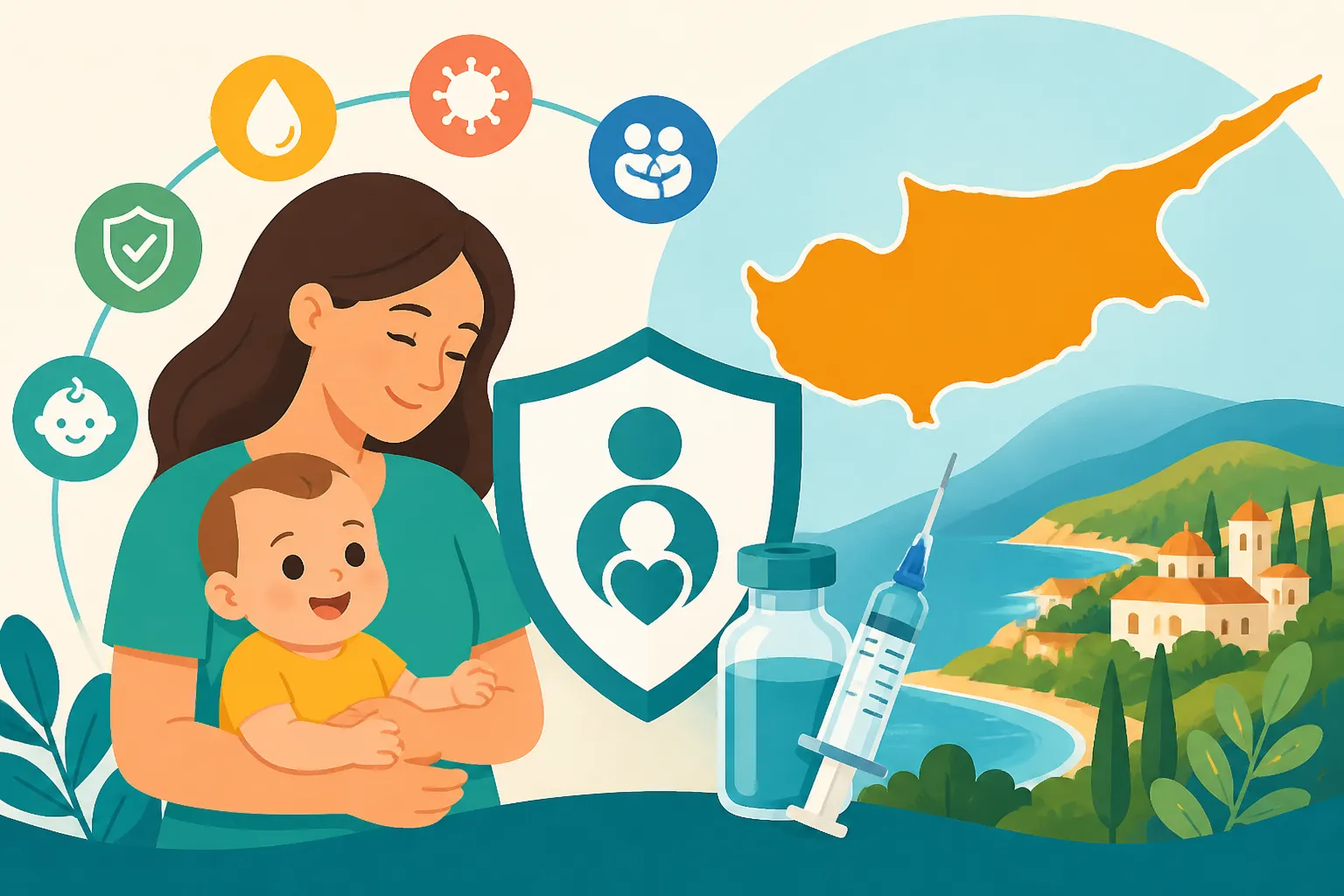
Moving to a new country with children often brings a unique set of worries, and top among them for many expat parents is ensuring their kids' health, especially when it comes to vaccinations. The confusion of a new healthcare system, different schedules, and language barriers can feel overwhelming. This comprehensive guide aims to cut through that complexity, providing you with a clear, empathetic roadmap to understanding and navigating the childhood vaccination schedules here in Cyprus.
The Foundation of Childhood Health in Cyprus
When you first arrive in Cyprus with your little ones, one of the most immediate concerns, after finding a decent souvlaki joint, is undoubtedly how their health needs will be met. Childhood vaccinations are a cornerstone of public health, protecting not only your own children but the wider community, especially vulnerable groups. Cyprus, like most developed nations, has a robust vaccination program designed to prevent a host of infectious diseases that can be dangerous or even deadly for children. Understanding this system is paramount for any expat parent.
Why Vaccinations Matter for Expat Families
For expat families, ensuring your children are up-to-date with their vaccinations isn't just about good health; it's also about integration and peace of mind. Many schools and childcare facilities in Cyprus will request proof of vaccination upon enrolment. Imagine the frustration of finding the perfect school, only to hit a snag because your child's records aren't aligned with local requirements. Beyond administrative hurdles, there's the genuine concern of introducing children from diverse backgrounds and different health histories into a new environment. Being properly vaccinated mitigates risks for everyone, reducing the spread of illnesses that might have different prevalence rates or strains than in your home country.
Moreover, the sheer practicality of knowing your child is protected allows you to explore Cyprus with less anxiety. From crowded playgrounds in Limassol to the bustling streets of Nicosia, or even just family gatherings, vaccinations provide a critical layer of defense. It's about empowering your family to fully embrace the Cypriot lifestyle without unnecessary health worries hanging over your head.
The Cypriot Public Health Approach to Immunisation
Cyprus adopts a proactive and comprehensive approach to childhood immunisation, with the Ministry of Health overseeing the national vaccination program. This program is evidence-based, following recommendations from the World Health Organization (WHO) and European guidelines. The goal is to achieve high vaccination coverage across the island, protecting the entire population, including its significant expat community.
The public health system, primarily through the General Healthcare System (GeSY), plays a central role in delivering these vaccinations. Most childhood immunisations are provided free of charge under GeSY, making them accessible to eligible residents. This commitment reflects a strong belief in preventive medicine and the collective responsibility to maintain public health. While private healthcare options exist and can also administer vaccinations, the core of the program is rooted in the public sector, emphasizing universal access and consistent application of the schedule across all districts. You'll find that doctors, nurses, and even pharmacists are generally well-informed about the national schedule, eager to support parents in keeping their children healthy.
The Official Cypriot Childhood Vaccination Schedule
One of the first things expat parents often search for is a direct comparison of their home country's vaccination schedule with that of their new home. While there are many similarities across global vaccination programs, specific timings, vaccine combinations, and even the inclusion of certain vaccines can differ. The Cypriot Ministry of Health provides a clear, structured schedule that outlines which vaccines are administered at various ages from birth through adolescence.
A Detailed Breakdown by Age and Vaccine
The Cypriot national vaccination schedule is meticulously planned to provide optimal protection at critical developmental stages. It covers a range of serious diseases that are common globally or pose a specific risk within the region. It’s always best to get the most current official schedule directly from the Ministry of Health or your paediatrician, as updates can occur. However, as of recent guidelines, here's a general overview to give you an idea of what to expect:
| Age of Child | Vaccine(s) Administered | Diseases Protected Against |
|---|---|---|
| At Birth | BCG (TB), Hepatitis B (1st dose) | Tuberculosis, Hepatitis B |
| 2 Months | DTaP-IPV-Hib-HepB (1st dose), Pneumococcal (1st dose), Rotavirus (1st dose) | Diphtheria, Tetanus, Pertussis, Polio, Haemophilus influenzae type b, Hepatitis B, Pneumococcal disease, Rotavirus |
| 4 Months | DTaP-IPV-Hib-HepB (2nd dose), Pneumococcal (2nd dose), Rotavirus (2nd dose) | Diphtheria, Tetanus, Pertussis, Polio, Haemophilus influenzae type b, Hepatitis B, Pneumococcal disease, Rotavirus |
| 6 Months | DTaP-IPV-Hib-HepB (3rd dose), Hepatitis B (final dose, if not already completed) | Diphtheria, Tetanus, Pertussis, Polio, Haemophilus influenzae type b, Hepatitis B |
| 12 Months | MMR (1st dose), Pneumococcal (3rd dose), Meningococcal Group C | Measles, Mumps, Rubella, Pneumococcal disease, Meningococcal disease |
| 15 Months | DTaP-IPV (Booster), Hib (Booster) | Diphtheria, Tetanus, Pertussis, Polio, Haemophilus influenzae type b |
| 18 Months | Varicella (Chickenpox) (1st dose) | Chickenpox |
| 4-6 Years | DTaP-IPV (Booster), MMR (2nd dose) | Diphtheria, Tetanus, Pertussis, Polio, Measles, Mumps, Rubella |
| 11-12 Years | Tdap (Booster), HPV (2 doses for girls) | Tetanus, Diphtheria, Pertussis, Human Papillomavirus |
This table represents the standard schedule, but your child’s Personal Doctor (GP) or paediatrician will provide the most accurate and personalised advice based on their individual health history and any previous vaccinations.
Key Differences from Other Common Schedules
While the core vaccines are often similar (think MMR, DTaP, Polio), you might notice subtle differences if you're comparing the Cypriot schedule to, say, the UK, US, or Australian schedules. For example, some countries might administer Hepatitis B at birth as standard, while others might combine it into a multi-vaccine shot later. The timing for the first MMR dose can also vary slightly. Varicella (chickenpox) vaccine, which is optional or administered at different ages in some countries, is typically part of the standard schedule in Cyprus.
Another point of variation can be the specific brands or combinations of vaccines used, although they protect against the same diseases. For expat parents, the crucial step is not to try and perfectly align schedules on your own, but rather to bring your child's complete vaccination record to your Cypriot doctor. They will be able to assess any gaps, recommend catch-up vaccines, and integrate your child into the local schedule seamlessly. Don't stress too much about the minutiae; the healthcare professionals here are adept at handling diverse international records.
Navigating Vaccinations for Expat Children in Cyprus
Bringing your family's medical history to a new country can feel like lugging a suitcase full of paperwork through a sandstorm – confusing and frankly, a bit annoying. However, when it comes to your child's vaccinations in Cyprus, having those records is your golden ticket. The local healthcare system, particularly through GeSY, is well-equipped to integrate expat children, but a bit of preparation from your side can make the process much smoother.
Registering Previous Vaccination Records
The very first thing you need to do is gather all your child's past vaccination records. This means the official booklet or document from your home country, ideally translated into English or Greek if the original is in another language. When you register with a Personal Doctor (GP) in Cyprus, this document will be crucial. Your GP will review it thoroughly, noting down all administered vaccines and their dates. They will then transfer this information into your child's Cypriot health record, often a new yellow booklet provided by the local health centre. This record will track all future vaccinations your child receives in Cyprus.
Don't panic if a few records are missing or if the schedule doesn't perfectly match. Cypriot doctors are used to seeing a wide array of international vaccination histories. Their primary goal is to ensure your child is adequately protected. They will advise on any catch-up vaccines needed, or if some doses can be skipped because they've already received equivalent protection. It's a pragmatic approach, focusing on your child's health rather than strict bureaucratic adherence.
Catch-Up Schedules and Missing Vaccines
If your child's vaccination history has gaps or doesn't align with the Cypriot schedule, your paediatrician or GP will create a personalised "catch-up schedule." This is a common scenario for expat families who move mid-schedule or come from countries with different immunisation programs. For instance, if your child missed a dose of MMR, or if a vaccine like Varicella wasn't routine in your home country, the doctor will simply add it to their upcoming appointments.
Catch-up schedules are designed to get your child back on track safely and effectively, without unnecessarily repeating vaccines they've already had. This might mean an extra visit or two to the clinic initially, but it's a small price to pay for ensuring comprehensive protection. Be open with your doctor about your child's full medical history, including any allergies or adverse reactions to previous vaccines, as this information is vital for planning their immunisation path here in Cyprus.
Overcoming Language Barriers in Healthcare Settings
While English is widely spoken in Cyprus, especially in tourist areas and within the expat community, administrative staff and even some healthcare professionals, especially in more rural areas, might have limited English proficiency. This can be a source of frustration when trying to understand complex medical information or scheduling. However, don't let this deter you. Many doctors, particularly paediatricians in major cities like Limassol and Nicosia, are fluent in English. When you are looking for a doctor, explicitly ask if they are English-speaking. Searching for an English-speaking doctor can make a world of difference.
If you find yourself in a situation where there's a language barrier, don't hesitate to ask if a colleague or a nurse can translate. Alternatively, consider bringing a Greek-speaking friend or using translation apps for simple questions. For important appointments, such as initial consultations or discussing a catch-up schedule, it's worth the effort to ensure clear communication. The key is to be persistent and proactive in seeking clear explanations.
Practical Steps for Getting Your Child Vaccinated in Cyprus
So, you've arrived, you've got your records, and you're ready to get things moving. The actual process of getting your child vaccinated in Cyprus is quite straightforward, but knowing the steps involved can save you time and unnecessary stress. Whether you're navigating the public GeSY system or opting for private care, the core elements remain consistent.
Finding a Personal Doctor or Paediatrician
The first and most crucial step is to register your child with a Personal Doctor (GP) or, ideally, a paediatrician. Under GeSY, all residents, including children, need to be assigned a GP. For children, you have the option of a dedicated paediatrician, which many expat parents prefer for specialised care. This doctor will be your child's primary point of contact for all health needs, including vaccinations.
You can find a list of registered GeSY doctors through the HIO portal, or by asking for recommendations from other expat parents. Once you've chosen a doctor, you'll need to register your child with them. This process typically requires your child's birth certificate, your identification documents, and proof of your GeSY registration. Remember, a good relationship with your child's doctor is invaluable, especially when you're far from home. Take your time to find someone you trust and who communicates well.
Scheduling Appointments and What to Expect
Once your child is registered with a GP or paediatrician, scheduling vaccination appointments is usually quite simple. You'll either receive a reminder from the clinic based on the national schedule, or you can proactively call to book. For infants and toddlers, these appointments are frequent during the first year or two, followed by booster shots at key developmental stages.
When you attend an appointment, your child's doctor will first perform a quick check-up to ensure your child is healthy enough to receive the vaccine. They'll confirm there are no signs of fever or acute illness. After the vaccine is administered, you'll usually be asked to wait for about 15-20 minutes in the clinic. This is a standard safety precaution to monitor for any immediate adverse reactions, though severe reactions are very rare. The doctor or nurse will also provide advice on managing any minor side effects, like a low-grade fever or soreness at the injection site, which are common and temporary. Remember to bring your child's health booklet to every appointment so the vaccine details can be properly recorded.
Required Documentation for Vaccinations
To ensure a smooth process, always have these documents ready for your child's vaccination appointments:
- Child's Health Booklet/Vaccination Record: This is paramount. It should contain all previous vaccination dates and types. If you have an international one, bring that. Once registered, you'll use the Cypriot one.
- Child's Birth Certificate: For initial registration and sometimes verification.
- Parent/Guardian Identification: Your passport or Cypriot ID card.
- Proof of GeSY Registration: If you are covered by the public system, you'll need your GeSY card or registration number for yourself and your child.
- Proof of Address: A utility bill or rental agreement might be requested, especially for initial registration with a doctor.
Having these documents organised will help the administrative process flow effortlessly, letting you focus on your child's well-being. Keeping all health-related documents in a single, easily accessible folder is a habit many seasoned expats swear by!
Addressing Common Concerns and Misconceptions
It's completely normal to have questions and concerns about vaccinations, especially when navigating a new healthcare landscape in a foreign country. Misinformation can spread quickly, but understanding the facts, particularly in the Cypriot context, can help alleviate anxieties.
Understanding Vaccine Hesitancy and Safety in Cyprus
Vaccine hesitancy, while present globally, is something that the Cypriot public health authorities actively address. The Ministry of Health provides extensive information on vaccine safety and efficacy, drawing on international scientific consensus. All vaccines used in Cyprus undergo rigorous testing and approval processes, adhering to European Union standards, which are among the highest in the world. The aim is to ensure that the benefits of vaccination far outweigh any potential, usually minor, risks.
If you have specific concerns about vaccine ingredients, safety, or effectiveness, the best approach is always to discuss them openly with your child's paediatrician or GP. They are equipped with the latest scientific information and can provide personalised advice, addressing your particular worries without judgment. Building trust with your healthcare provider is key, and they can help you distinguish evidence-based facts from common myths.
Managing Minor Side Effects and Post-Vaccination Care
Like all medical interventions, vaccinations can sometimes cause minor side effects. These are typically mild and temporary, indicating that your child's immune system is building protection. Common side effects include:
- Soreness, redness, or swelling at the injection site.
- Low-grade fever.
- Irritability or fussiness.
- Mild fatigue.
Your doctor or nurse will provide specific instructions for post-vaccination care. Generally, these include:
- Pain relief: Administering paracetamol (acetaminophen) or ibuprofen (if appropriate for age) can help with fever and soreness. Always check dosages with your doctor or pharmacist.
- Comfort measures: Applying a cool, damp cloth to the injection site can soothe discomfort. Offering extra cuddles and fluids can help an irritable child.
- Observation: Keep an eye on your child for 24-48 hours. If side effects worsen, persist, or if you notice anything unusual (like a high fever, rash, or difficulty breathing), seek medical attention immediately. You can always call your GP or, in an emergency, dial 112 for ambulance services.
It's important to remember that these minor reactions are a sign that the vaccine is working, prompting the immune system to create antibodies. Serious allergic reactions are extremely rare, which is why the 15-20 minute waiting period at the clinic is standard practice.
The Role of International Health Insurance (e.g., SafetyWing)
While Cyprus's GeSY system provides comprehensive coverage for vaccinations for eligible residents, some expats might opt for private healthcare or rely on international health insurance. If you're not yet fully registered with GeSY, or if you prefer the private route, understanding how your insurance plan handles vaccinations is essential.
Many international health insurance providers, like SafetyWing, offer plans that include preventive care, which can encompass routine childhood vaccinations. However, coverage details vary widely between policies. It's crucial to review your specific plan documents or contact your provider directly to confirm:
- What vaccinations are covered: Are all routine childhood vaccines included, or only specific ones?
- Deductibles and co-payments: What out-of-pocket expenses might you incur?
- Claim procedures: How do you submit claims for reimbursement?
Even if you primarily use GeSY, having robust international health insurance can offer an additional layer of security, especially for emergencies or if you wish to access specialist private care without waiting for GeSY referrals. For new arrivals or those with less stable residency status, such plans can bridge gaps until full GeSY eligibility is established. It provides peace of mind knowing that your child’s health needs are protected, whether you're navigating the public system or choosing private options.
Costs and Coverage for Childhood Vaccinations in Cyprus
Understanding the financial aspects of healthcare, especially for children, is a key concern for any expat family. Thankfully, Cyprus has structured its healthcare system to make essential services, including childhood vaccinations, widely accessible.
GeSY Coverage for Routine Vaccinations
For anyone registered and eligible under the General Healthcare System (GeSY), routine childhood vaccinations are covered free of charge. This is a significant benefit, ensuring that financial barriers do not prevent children from receiving vital immunisations. Once your child is registered with a GeSY Personal Doctor or paediatrician, and you both have active GeSY eligibility, all vaccines on the national schedule will be administered without direct cost at the point of service. This includes the vaccine itself, the administration fee, and the consultation with the doctor or nurse.
This comprehensive coverage extends across all districts and to all eligible children, whether they are Cypriot citizens or expat residents. It's part of the broader commitment to universal healthcare, aiming to protect the entire population. The process for GeSY registration is relatively straightforward, but it does require certain documents and residency proof. Ensuring you and your dependents are properly registered for GeSY is your first step to accessing this free vaccination benefit.
Private Healthcare Options and Associated Fees
While GeSY covers most residents, some expat families might choose to use the private healthcare system for their child's vaccinations. This could be due to personal preference, specific insurance requirements, or a desire for particular doctors or clinics outside the GeSY network. Private hospitals and clinics across Cyprus offer childhood vaccinations, often mirroring the national schedule but sometimes with more flexibility in appointment times or clinic locations.
However, opting for private care means you will incur fees. The cost of individual vaccines can vary, as can the consultation fees charged by private paediatricians. On average, a private paediatrician visit can range from €40 to €70, and each vaccine dose will have its own cost, potentially adding up to a significant expense, particularly if your child needs multiple catch-up shots.
Therefore, if you intend to use private healthcare for vaccinations, it’s advisable to:
- Inquire about costs upfront: Contact the private clinic or paediatrician’s office for a detailed breakdown of vaccine costs and consultation fees.
- Check with your private health insurance: If you have private health insurance, whether local or international (like SafetyWing), confirm what portion of vaccination costs it will cover and what your out-of-pocket expenses might be. Some policies cover routine vaccinations fully, while others might have limitations or require you to pay first and claim reimbursement.
- Compare options: Sometimes, a combination approach works best. You might use GeSY for routine vaccinations while using private doctors for other specialist needs if that suits your family better.
Considering Private Health Insurance for Added Security
Even with GeSY providing free vaccinations, many expat families choose to invest in private health insurance. This isn't just for vaccinations but for the overall peace of mind and access to broader healthcare options. Private insurance can cover:
- Access to private hospitals and specialists: This can mean shorter waiting times and a wider choice of doctors, including many English-speaking professionals.
- Coverage for non-routine treatments: While GeSY is comprehensive, private insurance can fill gaps for specific treatments or elective procedures not fully covered.
- Emergency care: For those who might not yet be fully eligible for GeSY, or for comprehensive travel medical insurance, plans like SafetyWing can provide crucial cover. Having a reliable insurance policy is a cornerstone of responsible expat living, ensuring that unexpected medical events don't become financial catastrophes. This is particularly true for families, where children's health needs can be unpredictable.
Always ensure your private health insurance policy is robust enough for your family's specific needs in Cyprus, taking into account any pre-existing conditions and the age of your children. It's an investment in your family's future and security here on the island.
Disclaimer
The information provided in this guide is intended for general informational purposes only and does not constitute professional medical advice. While every effort has been made to ensure accuracy and reflect the current situation in Cyprus, healthcare regulations and vaccination schedules can change. Always consult with a qualified medical professional or the official Cypriot Ministry of Health for the most up-to-date and personalised advice regarding your child's vaccination schedule and health needs.