How Do I Add My Newborn to My Residence Permit in Cyprus?
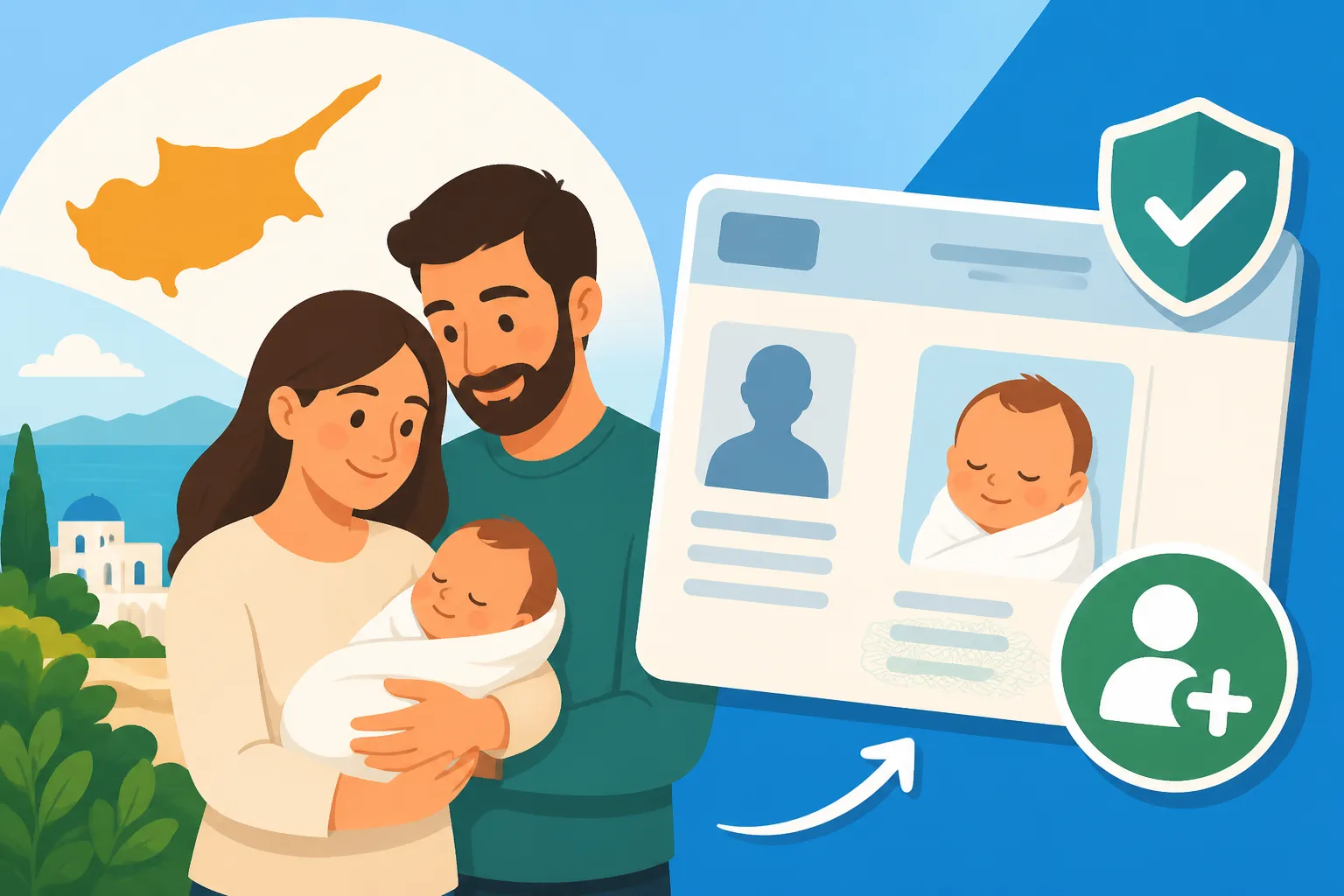
The joy of welcoming a newborn into your life here in Cyprus is truly unparalleled, a momentous occasion filled with love, sleepless nights, and an endless stream of baby cuddles. But amidst all that beautiful chaos, there’s an underlying hum of expat anxiety: the paperwork. Specifically, the nagging question of how exactly to add this precious new human to your existing residence permit. This guide is here to walk you through the often-confusing maze of Cypriot bureaucracy, offering a realistic, step-by-step approach to ensure your newest family member is properly registered and legally residing alongside you.
The Initial Hurdles: Registering Your Newborn in Cyprus
Before you can even think about adding your little one to your residence permit, there are a couple of fundamental steps you absolutely must take. These are the very first hurdles, and while they might seem daunting, they lay the groundwork for everything else. Trust me, it’s a process that requires patience, a good pen, and maybe a strong Cypriot coffee or two.
Birth Registration and Certificate
The very first official step after your baby arrives is to register their birth. This isn't done automatically by the hospital, so it's entirely on you to ensure it happens. You’ll need to head to the District Administration Office in the district where your baby was born. For example, if you gave birth in Limassol, you’ll go to the Limassol District Administration. Alternatively, many prefer the Citizens Service Centres (KEP) which often offer a more streamlined experience, depending on the day.
When you go, you’ll need to bring a few crucial documents: your passports, your current Cypriot residence permits (Pink Slip, Digital Nomad Visa, Category F, whatever you hold), and the official birth notification form issued by the hospital. If you’re married, you’ll also need your marriage certificate – and make sure it’s an original or certified copy, and sometimes translated and apostilled if it’s from certain non-EU countries. The officials will check everything, and once satisfied, your baby's birth will be officially recorded. You'll then be issued a Cypriot birth certificate. This document is golden, so keep it safe! It will be required for virtually every subsequent step, including obtaining a passport for your little one. It can feel like just another item on the never-ending expat to-do list, but getting this done quickly means you can move on to the next, equally important phase.
Obtaining a Passport for Your Newborn
After you have that Cypriot birth certificate in hand, your next mission is to obtain a passport for your newborn from your home country's embassy or consulate here in Cyprus. This is a critical step because your baby, regardless of where they were born, will initially derive citizenship from their parents. Without their own national passport, they cannot be added to your Cypriot residence permit.
The requirements for a newborn's passport vary significantly from one country to another. You’ll need to contact your specific embassy or consulate in Nicosia (or wherever they are located) to get a precise list of documents and procedures. Typically, this will involve the baby's Cypriot birth certificate, your passports, your marriage certificate (if applicable), and specific passport photos of your baby. Yes, getting a newborn to pose for a passport photo is an Olympic sport in itself, but it needs to be done according to very strict guidelines. Allow a good amount of time for this, as some embassies only have specific appointment days, and processing times can range from a few weeks to several months. Until your baby has their own valid passport, the Cypriot immigration authorities won't be able to process their residence permit application.
Understanding Your Baby's Residency Status
Navigating the waters of residency can be complicated enough for adults, let alone trying to figure out where your new little one fits in. It’s not just about adding a name to a form; it’s about understanding the legal framework that will govern your baby's life here in Cyprus.
The Different Scenarios: EU vs. Non-EU Parents
The path your newborn takes to residency in Cyprus largely depends on your own citizenship status. This is a crucial distinction that can dramatically simplify or complicate the process.
If both you and your partner are EU citizens, your baby will automatically be an EU citizen too. In this scenario, your child won't typically be "added" to your Pink Slip or Digital Nomad Visa (as EU citizens don't hold these). Instead, your baby will be eligible for their own MEU1, often referred to as a "Yellow Slip" for EU citizens. The process for this is relatively straightforward, requiring their passport, Cypriot birth certificate, and your own MEU1s. It's essentially a declaration of their right to reside here as an EU citizen, making their residency status very robust right from the start.
However, if you are a non-EU citizen (which is the more common scenario for those holding Pink Slips, Digital Nomad Visas, or Category F permits), your baby’s residency status will be directly tied to yours. They will be considered a dependent of their non-EU parent(s). This means they will need their own residence permit, typically mirroring the type and validity of your own. This falls under the umbrella of Family Reunification in Cyprus: Bringing Your Spouse and Children, a process designed to keep families together. It's vital to understand that your baby isn't automatically granted residency just by being born here; they need to go through an application process just like any other non-EU dependent.
Why it Matters: The Link to Your Own Permit
For non-EU parents, your baby’s residency status isn't just a formality; it's intrinsically linked to your own permit. If you hold a temporary residence permit like the Pink Slip, your baby will also receive a temporary permit, usually with the same expiry date as yours. This is a key point that many new expat parents initially overlook. It means you’ll need to renew their permit when you renew yours, ensuring continuous legal residency.
Having their own valid residence permit is absolutely paramount for several reasons. Firstly, it allows your child to legally reside in Cyprus. Without it, they could face issues with re-entry if you travel outside the country, or even access to certain public services. Secondly, and perhaps most importantly, it's essential for accessing healthcare. While GeSY is a lifesaver for many, getting your newborn covered under Understanding Health Insurance and Requirements for Cyprus Visas is paramount. For non-EU citizens, especially in the interim period before full GeSY eligibility (which is tied to social insurance contributions), having robust private health insurance, perhaps from providers like Cigna Global, can offer immense peace of mind and ensure your baby gets the care they need without delay. This permit is their official proof of legal stay, allowing them to eventually be enrolled in the public healthcare system once eligibility criteria are met, and generally easing the administrative burden as they grow up here.
Step-by-Step Guide to Adding Your Newborn to Your Residence Permit
Alright, you've got the birth certificate, you've secured that tiny passport – now comes the main event: applying for their residence permit. This is where many expat parents feel the most trepidation, but breaking it down into manageable steps makes it much less intimidating.
Gathering Required Documents
This is arguably the most critical stage. Any missing document can send you back to square one, causing frustrating delays. Based on common experiences of families who relocate, here’s a comprehensive checklist of what you'll typically need to prepare:
- Newborn's Passport: The original, valid passport from your home country. This is non-negotiable.
- Newborn's Cypriot Birth Certificate: The original certificate obtained from the District Administration Office or KEP.
- Parents' Passports: Your original, valid passports.
- Parents' Cypriot Residence Permits: Your original Pink Slips, Digital Nomad Visas, Category F permits, or whatever type you currently hold. This is the link to your baby’s new permit.
- Marriage Certificate: If you are married, the original or a certified, apostilled/legalized copy (depending on the issuing country). If you're unmarried, you might need to provide a joint declaration of paternity, or the mother's residence permit might suffice if the father's name isn't on the birth certificate, though this can complicate things.
- Proof of Adequate Income/Financial Means: Bank statements showing sufficient funds to support your family, employment letters, or any other documents that demonstrate your financial stability as the permit holder. This is crucial for demonstrating you can support your dependent.
- Proof of Accommodation: Your current rental agreement or title deed for your home in Cyprus.
- Private Health Insurance for the Baby: Especially for non-EU citizens, you'll need proof of private health insurance that covers inpatient and outpatient care for your newborn. While How to Register for GeSY (General Healthcare System) in Cyprus (2027) is a goal, private cover is often required for the initial permit application. Providers like Cigna Global are popular choices among expats for comprehensive coverage.
- Application Form: Usually the MIP1 form for temporary residence permits (Pink Slip), or the relevant form for your specific permit type (e.g., for the How to Apply for the Cyprus Digital Nomad Visa). You can download these from the Civil Registry and Migration Department (CRMD) website or pick them up at their offices.
- Passport-Sized Photos of the Baby: Two recent, regulation-compliant photos of your newborn. This means a white background, no shadows, baby looking directly at the camera with a neutral expression (as much as a newborn can manage!).
- Application Fees: Be prepared for the associated fees, which can change, so check the latest amounts on the CRMD website.
Remember to make copies of everything for your own records before you submit the originals. You'll thank yourself later, should you ever need to reference something.
The Application Process at Civil Registry and Migration Department
With your meticulously compiled stack of documents, it’s time to face the Civil Registry and Migration Department (CRMD) – or its district units, depending on where you reside. The main office is in Nicosia, and for many non-EU permit types, this is where the application must be submitted.
When you arrive, prepare for a bit of a wait. While improvements have been made, bureaucracy still moves at its own, unhurried pace. Try to schedule an appointment if possible, as this can significantly reduce waiting times. Otherwise, arrive early, bring snacks and entertainment for your baby (and yourself!), and mentally prepare for a morning or afternoon devoted to the cause. You’ll present your documents at the counter, where an officer will review them. They are generally thorough, so don't be surprised if they ask detailed questions or point out a minor discrepancy. If all is in order, you'll pay the application fee. While parents (if non-EU) might have had their fingerprints taken for their own permits, this isn't usually required for newborns. The officer will issue you a receipt, which is your proof that the application has been submitted. This receipt is important and should be kept safely.
The process of applying for your baby's residence permit can sometimes feel like an extension of the initial How to Apply for the Pink Slip Temporary Residence in Cyprus you underwent yourself. It’s all part of the continuous expat journey of adapting and integrating into life here.
What to Expect After Application
Once your application is submitted, the waiting game begins. Cypriot bureaucracy, while improving, is not known for its speed. Processing times can vary greatly, from a few weeks to several months, depending on the volume of applications and the specific type of permit you are applying for. It's frustrating, I know, especially when you're just eager to have all your ducks in a row for your little one.
During this waiting period, your baby's status is technically "application pending." This means they are legally allowed to remain in Cyprus while their application is being processed. However, travelling outside Cyprus during this time can be risky. If their permit is not yet issued, they might face issues re-entering the country, as their passport alone won't suffice for a non-EU citizen to reside here. It’s generally advisable to avoid international travel until you have the physical residence permit card in hand. You might receive a notification by post or email when the permit is ready for collection. When you go to collect it, you'll again need identification. Keep this new permit card safe, as it’s your baby's official proof of legal residency in Cyprus. Always keep digital copies, and a good old photocopy, just in case.
Common Pitfalls and Practical Tips for Expats
Families navigating these waters commonly encounter some recurring challenges and pieces of advice that emerge. A little foresight can save you a lot of grief.
Timelines and Patience
Ah, the Cypriot timeline. It's a special beast, isn't it? When it comes to official paperwork, especially anything related to immigration, patience isn’t just a virtue; it’s an absolute necessity. Do not expect anything to happen quickly. From getting the birth certificate to securing the passport, and finally receiving the residence permit, each step can take longer than you anticipate. Starting the process immediately after your baby’s birth and passport acquisition is crucial. Don’t delay, thinking you have plenty of time.
Some families get caught out because they waited too long, suddenly finding themselves with expired permits or travel restrictions. Regularly (but politely!) follow up on your application if you haven't heard anything for an extended period. A phone call or an in-person visit (if appointments are available) can sometimes nudge things along, but prepare for polite assurances of "it's being processed." The key is to manage your expectations. Don't let the delays get to you; it's a marathon, not a sprint, and stressing about it won't make the bureaucratic wheels turn any faster. It's just part of the charm (or headache, depending on the day) of living here.
Language Barriers and Assistance
While Cyprus is generally very English-friendly, particularly in tourist areas and among younger generations, official government departments can sometimes be a different story. While many civil servants speak English, you might encounter situations where complex legal terms or specific questions are best handled in Greek. This is particularly true if you're dealing with a less common scenario or trying to clarify intricate details about your baby's specific residency route.
If you're not confident in your Greek, it's a huge advantage to bring a Greek-speaking friend or colleague with you to the Civil Registry and Migration Department. They can help translate and clarify, ensuring there are no misunderstandings. Alternatively, engaging a local lawyer or an immigration agent who specializes in these matters can be an invaluable investment. They understand the nuances, know the exact forms, and can often anticipate potential issues before they arise. This is where having a reliable network or even engaging professional help can really smooth things over, much like how many expats rely on services found on platforms like Sirelo when planning the logistics of their international move, taking the stress out of complex processes. Don't underestimate the mental and emotional toll that administrative hurdles can take, especially when you have a newborn.
The Importance of a Complete Application
I cannot stress this enough: a complete and accurate application package is your best friend. Even one missing document, one incorrect date, or one photo that doesn't meet the precise specifications can lead to your application being rejected or significantly delayed. The officers are typically very strict, and there’s little room for "almost there" when it comes to official documents.
Before you even step foot in the CRMD office, go through your checklist multiple times. Get a second pair of eyes to review everything. Ensure all copies are clear and legible, and that all originals are present. If a document requires an apostille or legalization, make absolutely sure that process is complete and correct according to Cypriot requirements. This meticulous preparation will save you immense frustration and potential re-visits. Cypriot bureaucracy follows its own logic, and that logic often dictates that if something isn't exactly right, it simply won't proceed. Take the time, do the checks, and submit with confidence.
Here's a quick summary of essential documents for non-EU parents applying for a newborn's residence permit:
| Document Category | Specific Documents Required | Notes |
|---|---|---|
| Newborn's Identity | – Valid Passport (from home country) – Cypriot Birth Certificate – 2 Passport-sized photos |
Ensure passport is valid for at least 2 years. Birth certificate is obtained from District Admin/KEP. Photos must meet specific immigration standards (white background, neutral expression). |
| Parents' Identity | – Valid Passports (Originals) – Cypriot Residence Permits (Originals – e.g., Pink Slip, Digital Nomad) – Marriage Certificate (if applicable, original/certified, translated & apostilled if needed) |
Permits should be valid for a reasonable period. Marriage certificate is vital for proving relationship. |
| Financial & Housing | – Proof of Adequate Income (bank statements, employment letters) – Proof of Accommodation (rental agreement, title deed) |
Must demonstrate sufficient funds to support the child without relying on public aid. Rental agreement/title deed should be current and in parent's name. |
| Health Coverage | – Private Health Insurance Policy for newborn | Must cover inpatient and outpatient care. Essential for non-GeSY eligible newborns. Consider reputable international providers. |
| Application & Fees | – Completed Application Form (e.g., MIP1 for Pink Slip dependents) – Application Fee |
Forms are available from CRMD website or offices. Check CRMD for the latest fee amounts; payment usually required at submission. |
Remember, this table serves as a general guide. Always verify the most up-to-date requirements with the official Civil Registry and Migration Department or your chosen immigration professional.
Disclaimer
The information provided in this guide is for general informational purposes only and does not constitute legal or professional advice. While every effort has been made to ensure accuracy, immigration laws and procedures in Cyprus can change frequently. It is highly recommended to consult directly with the Civil Registry and Migration Department or a qualified immigration lawyer in Cyprus for advice tailored to your specific situation and to ensure you have the most current information.