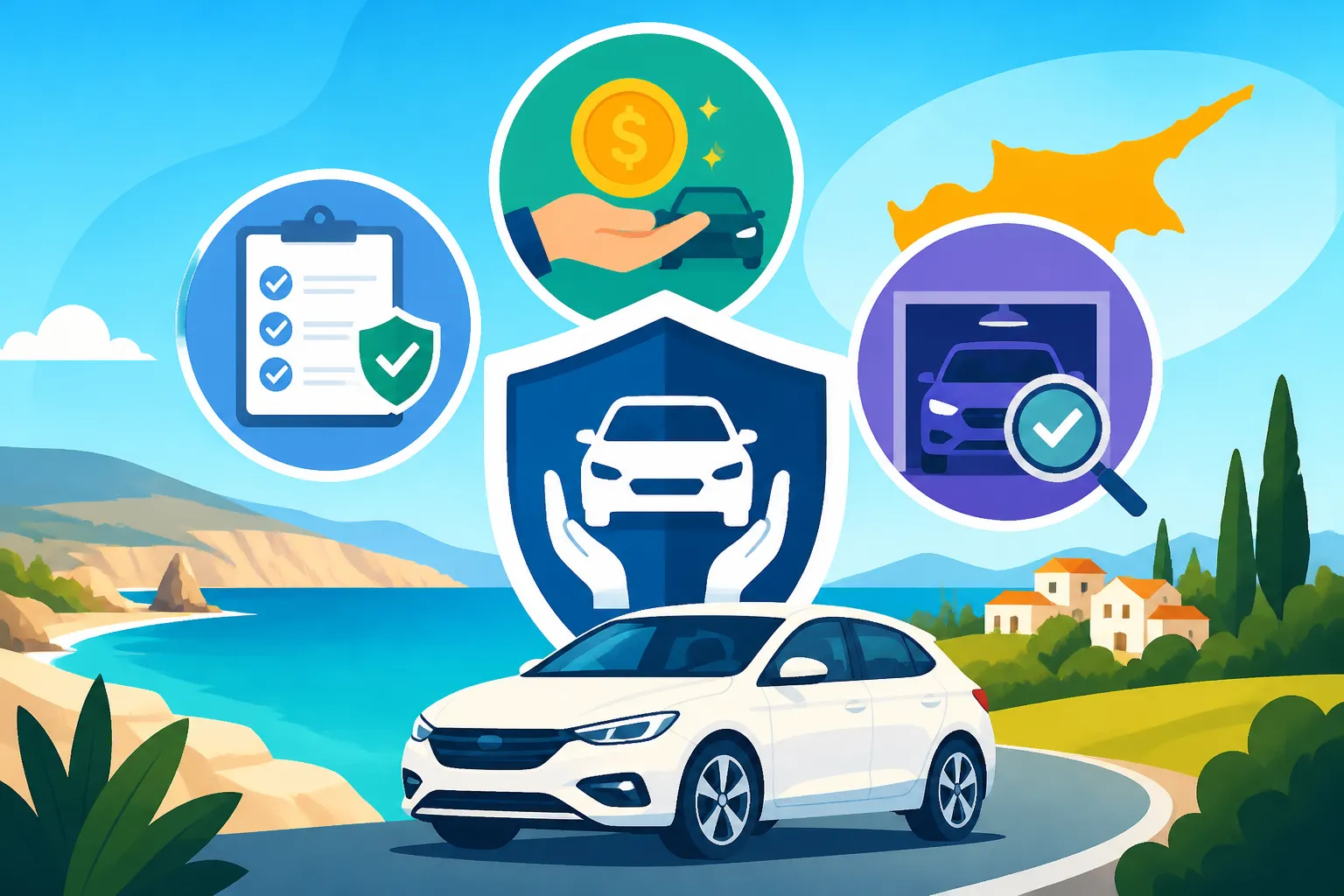
Understanding Car Insurance, Road Tax and the MOT in Cyprus
Alright, let's talk about the nitty-gritty of keeping your wheels on the road here in Cyprus. Moving to a new country is a whirlwind, isn't it? You're trying to figure out where to live, how to find a job, and then suddenly, you need a car just to get to the grocery store. But then, boom, you're hit with a whole new set of rules and jargon for car insurance, road tax, and something called the MOT. It can feel like a labyrinth, especially when you're still grappling with the language and the local way of doing things. This guide is here to untangle all that, offering you a realistic, expat-friendly roadmap to understanding and managing these essential aspects of car ownership in Cyprus.
Navigating Car Insurance in Cyprus as an Expat
When you first land in Cyprus and start thinking about driving, getting your head around car insurance is often the first big hurdle. It's not just a legal requirement; it's your peace of mind on the often… spirited… Cypriot roads. The system here has its own quirks, and what might have been standard in your home country can be a completely different beast here.
Understanding Mandatory Coverage and Types
In Cyprus, just like almost everywhere else, you absolutely must have car insurance if you want to drive legally. The bare minimum you're required to have is Third-Party Liability (TPL) insurance. This covers any damage or injury you might cause to another person or their property in an accident. It's crucial for protecting other road users, but it won't cover any damage to your own vehicle or injuries to yourself. For many expats, especially when first settling in, opting for just third-party can feel like a financially sound choice. However, it's worth weighing up the risks. If you're involved in an accident that's deemed your fault, you'll be footing the bill for your car's repairs, which can quickly add up and cause a significant financial headache.
Beyond the mandatory TPL, you have other options that offer greater protection. Third-Party, Fire, and Theft coverage extends the basic TPL to include protection against your vehicle being stolen or damaged by fire. This is a popular middle-ground choice for many, offering a bit more security without the higher premiums of comprehensive cover. Finally, there's Comprehensive Insurance. This is the top tier of coverage, offering protection for your own vehicle against damage (even if you're at fault), vandalism, natural disasters, and usually includes fire and theft. While more expensive, it provides the most extensive protection and can be a lifeline, particularly if you have a newer or more valuable car, or if you're simply new to driving in Cyprus and want to minimise potential financial shocks. It’s also often a requirement if you’re financing your vehicle.
Factors Affecting Your Premium and How to Get Insured
One of the biggest frustrations for expats when getting insured in Cyprus is the "no-claims bonus" dilemma. Many insurance companies here are reluctant, or outright refuse, to recognise no-claims discounts accumulated in other countries. This means that even if you've been driving for decades with a pristine record elsewhere, you might start from scratch here, facing higher premiums initially. It's not fair, we know, but it's often the reality. Don't give up immediately though; some international brokers might have partners who are more flexible, so it's always worth asking and providing proof from your previous insurer. Besides your driving history (or lack thereof, from a Cypriot perspective), other factors influencing your premium include the type and age of your vehicle, its engine size, your age, profession, and where the car is typically parked. Younger drivers or those with powerful cars, for instance, will almost certainly face higher costs.
When it comes to actually getting insured, you have a few avenues. You can approach individual insurance companies directly (some well-known ones include Hellenic Alico, Eurolife, and General Insurance Cyprus), or you can work with an insurance broker. Brokers can often compare policies from multiple providers to find you the best deal, and they can be incredibly helpful in navigating the paperwork and explaining the nuances in English. Many also have websites where you can get an online quote, which can be a good starting point to gauge costs. You’ll need your valid driving licence (Cypriot or recognised foreign one), your vehicle registration document, and your residence permit or relevant immigration papers. It’s always a good idea to chat with a broker, as they can sometimes advocate for you regarding your international driving history.
Making a Claim and What to Do in an Accident
No one wants to think about having an accident, but knowing what to do can save you a lot of stress if it happens. First and foremost, ensure everyone's safety. If there are injuries, call 112 immediately. For less serious incidents where no one is injured but there's significant damage, the police (dial 199 or 112) should still be called, especially if there's any dispute over fault or if it involves a foreign-registered vehicle. If the damage is minor and both parties agree on the circumstances, you can use the "Blue Form" (Accident Statement Form) provided by your insurance company. This form is designed for direct settlement between insurers and should be filled out thoroughly and signed by both drivers. Always take photos of the scene, the damage to all vehicles, and any relevant road markings or signs. Exchange contact and insurance details with the other driver(s).
After ensuring safety and gathering information, contact your insurance company as soon as possible, ideally within 24-48 hours. They will guide you through the claims process. It's vital to be honest and provide all the details you've collected. If you have comprehensive insurance, your insurer will arrange for repairs to your vehicle (minus any excess/deductible). If you only have third-party, fire, and theft, you’ll need to claim from the other party’s insurance if they were at fault, or cover your own damages if you were. Having an English-speaking contact at your insurance company or broker can make this process infinitely smoother. Remember, even a minor fender-bender can be overwhelming in a foreign country, so staying calm and following these steps is key.
Demystifying Road Tax in Cyprus
Ah, road tax – the annual payment that every car owner here in Cyprus knows all too well. It’s essentially a fee for the privilege of driving on the island’s roads, and while it might seem like another expense, it’s a non-negotiable part of car ownership. Many expats find the initial setup a bit confusing, but once you understand the system, it becomes just another yearly chore. Just like ensuring your health coverage is up to date, whether it's via GeSY or private insurance, managing your vehicle's admin is crucial.
How Road Tax is Calculated and Who Needs to Pay
Cypriot road tax, officially known as Vehicle Circulation Tax (Τέλη Κυκλοφορίας), is calculated based on a few key factors, predominantly the engine size (cubic capacity – CC) and, for newer vehicles, the carbon dioxide (CO2) emissions. Generally, the larger the engine or the higher the CO2 emissions, the higher the road tax you'll have to pay. For older cars, the calculation primarily hinges on the engine capacity, while newer cars registered after a certain date (usually post-2010 or 2011, though this can shift with legislation) will see their tax heavily influenced by their environmental footprint. This system is designed to encourage the purchase of more eco-friendly vehicles. The registered owner of the vehicle is legally responsible for paying the road tax. If you buy a second-hand car, ensure the previous owner has settled all outstanding road tax payments, as these debts can transfer with the vehicle.
The rates themselves are published annually by the Department of Road Transport (DRT) and are accessible online. You can typically find detailed tables specifying the tax amount per CC band or CO2 emission level. It's not just a flat fee, so two cars of similar make might have different road tax bills if one is older or has a slightly different engine spec. It's a system that rewards smaller, more efficient engines, which makes sense given the island's size and relatively short driving distances for many.
The Annual Renewal Process and Penalties
Road tax is renewed annually, typically between December and January, though you often have until early March to complete the payment without incurring a penalty. The process has become significantly more streamlined in recent years, thankfully. Most people now renew their road tax online through the JCC Smart portal (www.jccsmart.com). This portal allows you to pay securely using a debit or credit card. Alternatively, you can pay at commercial banks, cooperative credit institutions, or at Citizens Service Centres (KEP). Before you can renew, you absolutely must have two things: valid car insurance and a valid MOT certificate (if your car is old enough to require one). The system automatically checks for these, and if either is missing, you won't be able to proceed with your payment online.
Forgetting to pay your road tax on time, or driving with expired road tax, is a serious offence in Cyprus. The penalties are quite steep. If you pay late, you'll incur a surcharge – usually 10% of the annual fee plus €10. If you’re caught driving without valid road tax by the police, you face a hefty fine, and your car can even be immobilised or impounded. This is not a situation you want to find yourself in, trust me. Cue a frantic dash and a penalty payment! So, mark those calendars and set reminders! You can check your current road tax status and validity period online anytime through the DRT website or JCC Smart.
Temporary Suspension and Vehicle Deregistration
Sometimes, life throws you a curveball, or you simply decide to go on an extended holiday or leave the island for a period. What happens to your car's road tax then? Well, Cyprus allows for the temporary immobilisation of a vehicle. This means you can temporarily suspend its registration, and therefore your obligation to pay road tax, if the car will not be in use for a period. This is often done by depositing the vehicle's registration plates with the Department of Road Transport. When you're ready to use the car again, you simply pay for the months you intend to use it, collect your plates, and ensure your insurance and MOT are valid. This is particularly useful if you have a classic car you only drive seasonally or if you're an expat leaving Cyprus for a few months.
If you decide to leave Cyprus permanently, or if your vehicle is beyond repair and needs to be scrapped, you'll need to officially deregister it. This involves submitting an application to the DRT, often with a certificate of destruction from a licensed recycling facility in the case of scrapping. Deregistering ensures you're no longer liable for road tax and other obligations associated with the vehicle. It's a final step that can be overlooked in the rush of relocation, but it's important for ensuring you don't face unexpected fines or demands for payment down the line. If you're using a company like Sirelo to manage your international move, they might be able to offer advice or services related to vehicle shipping or deregistration, easing one more burden from your plate.
The MOT (M.O.T. Test) for Vehicles in Cyprus
Beyond insurance and road tax, there's the annual (or biennial, depending on your car) pilgrimage to the MOT centre. The Ministry of Transport's Vehicle Inspection Test, or MOT as it's commonly known, is Cyprus's version of a roadworthiness check. It's designed to ensure that vehicles on the road meet certain safety and environmental standards, protecting both drivers and pedestrians. For many expats, the MOT can feel like a mysterious ritual, especially if you're used to a different system. But once you understand the rhythm, it's fairly straightforward.
What the MOT Entails and When it's Required
The MOT test in Cyprus is a comprehensive inspection of your vehicle's key components to ensure it is safe and roadworthy. It's not about the cosmetic appearance of your car, but about its operational integrity. During the test, mechanics will meticulously check your brakes for efficiency and balance, the condition of your tyres (tread depth and general wear), the functionality of all lights, the steering system for excessive play, the suspension for wear and tear, and the exhaust system for emissions levels and leaks. They'll also check seatbelts, windscreen wipers, horn, and even your car's structure for any signs of corrosion that could compromise safety. The goal is to catch potential defects before they become serious hazards on the road.
The frequency of the MOT depends on your vehicle's age and type. For brand new private passenger cars, the first MOT test is required four years after its initial registration date. After that, it needs to be tested every two years. Commercial vehicles, taxis, and public transport vehicles have different, more frequent testing schedules due to their intensive use. It's your responsibility as the vehicle owner to remember when your MOT is due and to schedule an appointment. You can find licensed MOT centres (usually private garages authorised by the Department of Road Transport) across all major cities and rural areas. A quick online search for "MOT centre near me" or "Κέντρο Τεχνικού Ελέγχου" in your local area (e.g., Limassol, Nicosia, Paphos) will yield plenty of results.
Preparing for Your MOT and Common Failure Reasons
The key to a smooth MOT experience is preparation. While you're not expected to be a master mechanic, there are several basic checks you can do at home to significantly increase your chances of passing first time. Start by checking all your lights – headlights (main and dipped beam), side lights, brake lights, indicators, and reverse lights. Make sure your wipers are functioning correctly and that you have enough washer fluid. Check your tyre pressures and ensure the tread depth is above the legal minimum (1.6mm). Test your horn and make sure all seatbelts are in good working order. A quick glance under the bonnet to check fluid levels (oil, coolant, brake fluid) can also preempt simple issues. Many local garages offer a pre-MOT check, which is a fantastic idea if you're unsure or if your car is older. They'll spot potential problems that you might miss, saving you the hassle and cost of a re-test.
Common reasons for MOT failure often stem from these easily preventable issues. Worn tyres, faulty lights, or excessively high emissions are frequent culprits. Expats sometimes encounter issues with non-standard modifications they've made to their vehicles, or simple things like a broken headlight bulb that they didn't realise was out. The crucial thing is to address these minor faults proactively. For example, if you're looking for an English-speaking mechanic in Limassol, a good recommendation can often come from expat Facebook groups or forums, helping you find someone trustworthy to assist with pre-MOT checks or necessary repairs.
What Happens If Your Car Fails the MOT
If your car fails its MOT, don't panic, but don't ignore it either. The MOT centre will provide you with a report detailing all the defects, categorised as minor, major, or dangerous. You'll be given a grace period – usually a few weeks – to rectify these issues. You then need to take your car back to the same MOT centre for a re-test, which usually only checks the items that failed the initial inspection. Depending on the centre, a re-test within the grace period may be free or incur a small fee. It is absolutely illegal to drive your vehicle on public roads with an expired or failed MOT certificate, except for the purpose of taking it for repairs or to the re-test. Driving a car that has been deemed "dangerous" can lead to severe penalties.
Rectifying the defects might involve simple replacements like a lightbulb or worn wiper blades, or more significant repairs like brake overhauls or suspension work. The cost implications can vary widely, but it's always worth getting a quote from a trusted mechanic. Remember, the MOT is there for your safety and the safety of others. While it can be frustrating and costly, particularly if major repairs are needed, it's an essential part of maintaining a safe vehicle. Keep all your MOT certificates with your car's other documents, as you'll need them for road tax renewal and potentially for insurance purposes.
Practical Tips and Expat Experiences
The administrative side of owning a car in Cyprus can be a bit of a culture shock for newcomers. It’s not always as straightforward as it might be back home, and there’s a distinct Cypriot way of doing things. However, with a little preparation and insider knowledge, you can navigate these waters with far less stress. This is where leaning on the collective wisdom of other expats and understanding the local nuances truly pays off.
Buying or Importing a Vehicle and Initial Steps
For many expats, the journey into Cypriot car ownership begins with either buying a vehicle locally or importing one. If you're buying a used car in Cyprus, remember that the vehicle's history, including its past MOTs and road tax payments, is crucial. Always ask for the most recent MOT certificate and check the road tax status. When transferring ownership, you'll immediately become responsible for these aspects. Ensuring a clear title and no outstanding debts is key to avoiding future headaches. You can find comprehensive guides on topics like How to Buy a Car as a Newcomer in Cyprus or How Do I Register a Car in Cyprus? to walk you through the process.
If you've decided to bring your beloved car from your home country, the importing process adds another layer of complexity. This involves customs duties (for non-EU cars), VAT, and the daunting task of vehicle registration in Cyprus. Once your imported car clears customs, you'll need to obtain initial registration plates, which then immediately necessitates acquiring valid car insurance. Your car will also need to undergo an initial inspection and then follow the regular MOT schedule, usually within a certain period after registration. This is where companies like Sirelo, who specialize in international removals, can be invaluable. If you’re moving your entire household, they can often manage the logistics of vehicle shipping too, including helping you understand the customs paperwork for your car, which directly impacts when you can then get insurance and registration sorted. It’s a huge relief to have experts handle the physical relocation, freeing you up to focus on the paperwork for things like getting your How Do I Convert My Foreign Driving Licence in Cyprus?.
Common Expat Frustrations and How to Overcome Them
One of the most frequent frustrations shared by expats is the language barrier. While many Cypriots, especially in business and tourism, speak excellent English, there are times you'll encounter officials or small garage owners who don't. This can lead to misunderstandings, delays, and general exasperation when you're trying to explain a specific car issue or decipher official documents. My advice? Don't be afraid to ask for an English speaker, or better yet, bring a Cypriot friend or colleague along if you're dealing with something complicated. Another common pain point is simply understanding the processes themselves, which can often seem less digitalised or less transparent than what some expats are used to. For instance, the online systems like JCC Smart have improved things immensely for road tax, but initial setup or troubleshooting might still require a phone call or a visit.
Keeping track of deadlines can also be tricky. Unlike some countries where you might get automated reminders for everything, here it's largely your responsibility. Missed deadlines for road tax or MOT can result in fines and legal issues. The solution here is simple: use your phone calendar, set multiple reminders, or even keep a physical planner. Build a good relationship with a local, English-speaking mechanic and insurance agent; they can often remind you of upcoming MOTs or renewals, acting as invaluable unofficial advisors. These are the small hacks that make expat life in Cyprus not just bearable, but truly enjoyable, by eliminating unnecessary bureaucratic stress.
Keeping Records and Staying Organized
In Cyprus, much like in most places, good record-keeping is your best friend when it comes to car ownership. You should always have copies of your important vehicle documents readily accessible. This includes your vehicle registration certificate (logbook), your current car insurance policy, and your latest MOT certificate. While digital copies on your phone are convenient, it’s always wise to keep physical copies in the car or at home, just in case. When the police pull you over, they will expect to see valid documents. Being able to produce them quickly and efficiently will make any interaction much smoother.
It’s also smart to create a dedicated folder, either digital or physical, for all your car-related paperwork. This should include past insurance policies, road tax receipts, MOT certificates, and any repair invoices. This not only helps you track your vehicle's maintenance history but also proves your compliance over the years. When it comes time to renew your road tax online, you'll appreciate having all your details organized. Setting up automatic reminders in your calendar for insurance renewals, road tax payments, and MOT dates is a small effort that yields huge peace of mind. After all, the cost of healthcare in Cyprus, even with GeSY, means you don’t want unexpected fines eating into your budget! Staying organised will ensure you avoid unnecessary penalties and can focus on enjoying the beautiful drives this island has to offer.
| Aspect | Key Requirements / Basis | Frequency / Due Date | Common Expat Issues | Resolution Tips |
|---|---|---|---|---|
| Car Insurance | Mandatory TPL minimum, driving licence, vehicle registration, residence permit | Annually (renewal before expiry) | No-claims bonus transfer issues | Provide proof; use a broker; compare policies. |
| Road Tax | Based on engine CC & CO2 emissions, valid insurance & MOT required | Annually (Jan-Mar, payment portal JCC Smart) | Forgetting deadlines, initial payment confusion | Set reminders, use JCC Smart, pay early. |
| MOT Test | Roadworthiness check (brakes, lights, tyres, emissions, etc.) | New cars: 4 years, then every 2 years | Language barrier, common overlooked defects | Pre-MOT check, find English-speaking garage. |
Disclaimer
The information provided in this guide is intended for general informational purposes only and does not constitute legal, financial, or professional advice. While we strive to ensure the accuracy and timeliness of the content, laws, regulations, and procedures in Cyprus can change. It is always recommended to consult with relevant Cypriot authorities, legal professionals, or certified experts for advice tailored to your specific situation. Reliance on any information in this guide is solely at your own risk.